
画家川田祐子のニュースレター@No.7
朝は21度くらい。昼間は26〜7度にはなりますが、日が暮れて来ると急に冷たい風が起きます。 どこからともなく涼やかにヒグラシが鳴いて、辺りが静まり返っていると、昼間の温まった空気と冷たい風がぶつかったせいでしょうか? 遠くの方からゴロゴロと雷が鳴り始めます。 霧が雨を呼び、通り雨が来ると、室内あちこちの突き出し窓のハンドルを回して、羽根のように広げていた窓を閉じます。 しばらくすると雨足も弱まって、すっかり外は冷たい夜空。 厚手の毛糸のカーディガンに包まって、1日の制作の追い込みに入ります。 今はやっとF60号の作品に取り組み始めました。 来月からは、少し大きめの作品をご紹介出来ればと励んでおります。 全国的には暑さ厳しき折、皆様どうぞお身体第一にお過ごし下さい。
画家 川田 祐子
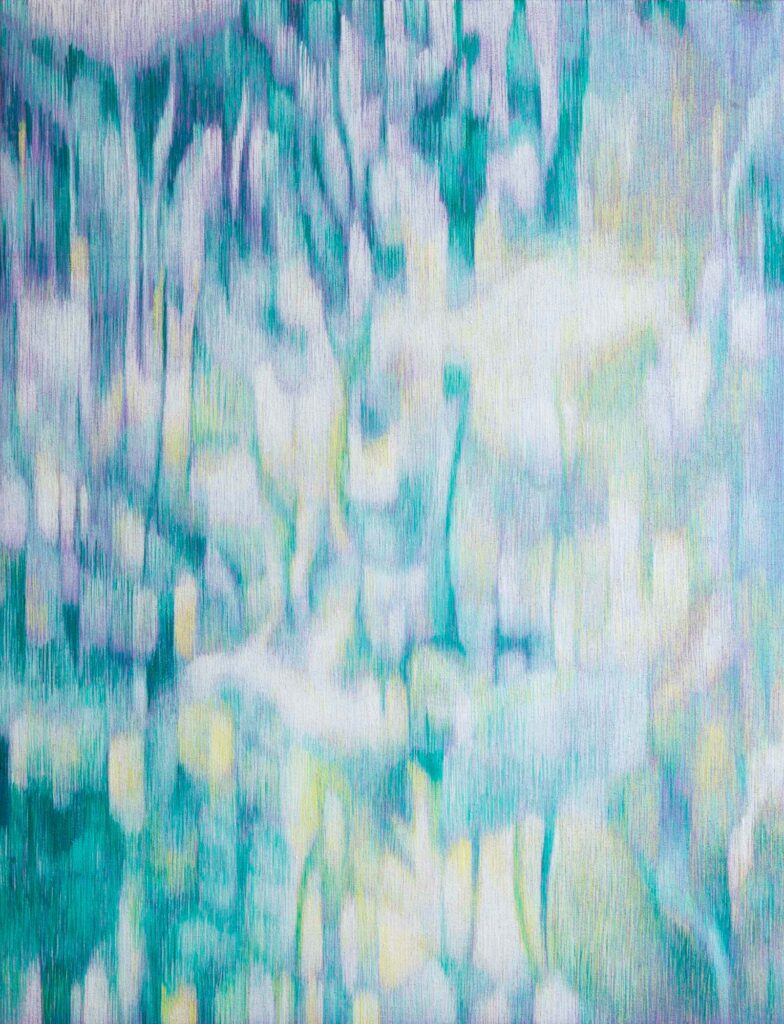
光芒の花(こうぼうのはな)
2017
oil on canvas
50×65.2cm
作品「光芒の花(こうぼうのはな)」
私の好きな言葉の一つ。 「雑草とは何か? その美点がまだ発見されていない植物である。」(エマーソン)
さまざまな美が絵画に出し尽くされていたとして、果たして私に残されたテーマがあるだろうか? そういう問題にぶち当たった時に、私は4年前に大腿骨を折って「道草」という言葉に辿り着きました。自分自身の日常から生まれた「道草」シリーズの作品が生まれて、昨年夏には美術館の個展のチャンスを頂けたのでした。
もし本道というものがあるとして、人はなかなか横道に逸れることが出来ないものです。でも偶然の素晴らしい出会いとは、案外、脇道や遠回りの道にあるものです。またそういう一見無意味な時間を作ることこそが贅沢というものなのかもしれません。
道草には、従来「雑草」が生えているものですが、今では「雑草」さえも除草剤等で消されてしまう時代。しかし、ここ中軽井沢は雑草の宝庫です。さまざまな意味不明、無意味な存在に刺激を受けることが出来るのです。そういう中で生活していると、そのうち必ず「雑草」こそが宝であるという時代が来るのでは、と思ってしまう程です。
以前「ライ麦」について調べた時に、とても驚いたことがあります。ライ麦は本来、麦の雑草として嫌われていたものが、何とかして生き延びたいと麦に似せて進化したそうで、今ではむしろ麦よりも高い値で売られ、価値が見直された植物とのこと。私たちは、ついお米ならコシヒカリこそが贅沢、と考えてしまいがちですが、その内価値観が変わると、案外、なるべく美味しくないお米、例えば玄米をこぞって食べたがる時代がすぐそこに来るのかもしれません。
今月は、「芒(のぎ)」を意識したような作品が数点生まれました。住まいの近くの川岸には、まるで川の在り処を密やかに隠すかのように、背の高い草むらが密生しています。夕方風そよぐ日には、それがさらさらと絶えず揺れ動いて涼を呼びます。様々な光の形が去来するのを楽しんでいる内に、このような作風に辿り着きました。読者の皆様にも、軽井沢の涼が届きますように。
*この「光芒の花(こうぼうのはな)」は、後に海外向けにわかりやすく「雪光の花」というタイトルに変更しました。
【画家川田祐子自伝】デタラメの歌
時代はまた再び遡り、横須賀の小さな町に家が建った時の事です。新築祝いに親戚一堂が30人程集まり、わいわいと盛り上がっている中、私はすっくと立ち上がって、リクエストに応えて歌を歌うことになりました。
父は「歌ならアレを歌いなさい」と目配せ。「アレ」とは、私がよくトイレで歌う「デタラメの歌」のこと。ところが、幼稚園でお世話になった叔母たちは「アレを歌いなさい」とリクエスト。叔母たちの「アレ」とは、幼稚園で習った児童唱歌でした。
私は両者共に裏切って、都はるみの『好きになった人』を堂々と歌いはじめました。「さっよん〜な〜ら、さっよな〜ら、元気でい〜て〜ね〜、す〜きなひとには、いっつでんもあえ〜る〜」その場の雰囲気が一瞬変わり、それからドッと受けて大騒ぎになりました。
なぜ私がその歌を歌ったかというと、町中やテレビから、もっぱらその歌しか流れていなくて、自然に覚えていたからです。しかし、父はすっかりあきれてガックリ。ところが叔母たちは夢中になってしまい、「もっと歌いなさい!」と言います。母は流行歌なんて歌って恥ずかしい、と慌てて私を引っ込めてしまいました。
ところが叔母たちが言うのです。「祐子ちゃんは、大きくなったら宝塚に入りなさい! 将来は宝塚の男役のスターね!」私は当時、父の手でいつでもボーイッシュなショートカットにさせられていたため、どこに行っても「凛々しいおぼっちゃまね〜」と言われる程、プチ男前だったのです(苦笑)。すると母の目が一瞬光ったようでした。
目そしてしばらくして、ある日何の前触れもなく、足踏みオルガンがやってきました。母の実家の幼稚園で、新しい電子オルガンを買ったために、母が中古を引き取ったのです。ところが、残念ながら私の反応は「目が点」なのでした。
私が心から歌いたいことは、全てトイレの中でしか出て来ませんでした。それも歌いたいとか歌っているなどと自覚して歌っていたわけではありません。私の「デタラメの歌」とは、鼻歌とは違うもので、自分なりの歌詞がついていました。即興的に頭に浮かぶ言葉がメロディーといっしょになって歌になるのでした。
「空はね〜、空はね〜、いつかは晴れる、あの日のように。 遠いところで光ってるぅ〜、あ〜あ、あ〜あ、 手がとどかない、あの星にむかって言うの〜。 おねがい〜、おねがい〜、私の祈りは天までとどく〜、….」(苦笑)
ところが、トイレから出ると、すっかり何をどう歌ったのか忘れてしまいます。それでも父は必ず言うのです。「今のは前のよりももっとよかった」と。ところが、ある日から歌が出て来なくなりました。父が「よかった」と言ってくれる歌とは何だったろう? と考えるようになったからでした。そのことを考える入り口には、歌はやって来ないようになっていたようです。
一方、私の部屋にやって来た足踏みオルガンは、すっかり埃をかぶっていましたが、あることがきっかけで、大活躍することになりました。
私には、5歳の夏に生まれた妹がいました。この妹が生まれてから、私の生活はすっかりマイペースを崩される事になってしまいます。近所の友達の家に遊びに行くのにも、連れて行かなければなり vacant ませんでしたが、当然ながら、5歳違うと、同じ遊びを同じように楽しむ事が出来ないのです。妹も悔しくて、一生懸命同じようにしたいと頑張るのですが、思い通りに出来ません。ところが妹は、負けず嫌いで、ゲームでも何でも自分が習得して勝たないと、かんしゃくを起こして泣いて暴れるのでした。
妹は私とは全然違う性格で、私もどうしてよいかわからなくなる程でした。ところが私と同い年の幼なじみの友達は一人っ子で、そんな妹が可愛いと言います。そこで、泣き止まない時には、応接間のピアノを弾いて聞かせてくれるのでした。すると、妹はいつの間にかピアノに夢中になってしまい、やがて埃をかぶっていた足踏みオルガンは妹のものになったのでした。それからが大変。妹は見よう見まねでピアノが弾けるようになり、音楽教室に通い始め、1日中オルガンばかり弾き始めたのでした。
妹は、貪欲に何でも積極的に出来るのです。パズルでもゲームでも、何でも飲み込みが早く、記憶力も抜群でした。漫画の吹き出しを丸ごと1冊全て覚えて発表する事も出来ました。その姿に私はいつでも圧倒されて、どちらかというと、のんびり、控えめにしてしまうのです。
ある日、とうとうピアノが家にやって来ました。ある湖の底に沈んでいた古木を水揚げして乾かし、それを染め上げてつくられたものということでした。それは何とも美しい自然の木目が浮かび上がった、珍しい緑色のピアノでした。あのようなピアノは、後にも先にも他に見た事がありません。私もそのピアノを見るだけでとても幸せでした。家にピアノがあるというのは、当時は家の一つのステイタスだったように思います。妹は夢中になって毎日毎日練習し、毎年1〜2回はピアノの発表会が、市の文化ホールで行われました。
家族揃って見に行くと、妹は赤や黄色のドレスを着せられて、スポットライトを浴びながら、難しい曲を暗譜で発表するのでした。父は夢中になってカメラやカセットテープで晴れの姿を記録に残すのでした。やがて緑色のピアノは買い取られて、真っ黒なグランドピアノがやって来ました。妹は家族の誰もが信じて疑わない、「神童」モーツァルト再来として、一直線に歩んで行くのでした。
ところがそういう妹の出現で、私はどんどん自分に自信が持てなくなって行ったのでした。指して、心からこれをしたいというものがみつからず、人知れず悩んでいたのです。
自分には、何が出来るのだろう? 将来どういう人になったら良いのだろう? こんなにのんびりしていてはだめなんじゃないか? 忙しくて仕方が無いくらい何かに夢中になりたい。そういう焦りが常にありました。それは20代後半まで続いたのでした。焦れば焦る程、本当に自分が大切にしたい事が、小さく大したことに思えなくなっていくのでした。
今ではとても考えられないことです。 私の個展を見に来る人が、度々制作に打ち込める私を羨ましいと言って下さることがありますが、幼い頃は、私なりにとても辛い時期がありました。
では、私にとって羨ましいと思われた妹は、実のところどうだったのでしょう? それは、ずっと後になってわかって行くことになります。妹は、「実は本当にピアノがしたかったわけではない」と大学受験前にはたと気付いてしまいました。そして結局全く違う進路を選んでしまったのです。音大に行くとばかり期待して、幼い頃からお金をつぎ込んだ父も母も、すっかり落胆したのでした。
人が心の底から本当の気持ちで、一生懸命出来る事に出逢う事は、本当に難しいものなのだと、私は妹の歩みから学ばせてもらったのでした。そしてなるべく早くにそういう出会いを期待しすぎて、焦るあまりに、全く見当違いの道を選んでしまってはいけない、むしろ正直な気持ちで、「ないなら無い」として生きて正解だったと、後から思えるようになったのでした。
そして、妹からすれば今の私は「ずるい」といいます。本当に好きな事をしながら生きていると思われるからでしょう。しかしこのように生きられるのは、実は妹のお陰なのです。妹の生き方を見ながら私は、常に自分の生き方や生きる道を考え、その経験が今に繋がったのでした。
しかし、当時の私は、まさか画家になるとまでは思っていないわけで、毎日毎日思い悩んでいました。それは誰にも打ち明けた事がない、重い悩みでした。その悩みに明け暮れて、私は次第に学校で勉強する意味までわからなくなっていました。何か自分なりの希望が持てれば目的意識が起こり、そのために努力ができるはずなのに、希望や目的がみつからないままでは、勉強を一生懸命出来なかったのです。そのような日々に、私はとうとう人生初の大大失敗をしてしまうのでした。
(次号につづく)
制作の近況
今月は、新作『光芒の花(こうぼうのはな)』そして『霧から雨へ』『芒(のぎ)』『あまつゆ』と4点をご紹介致します。
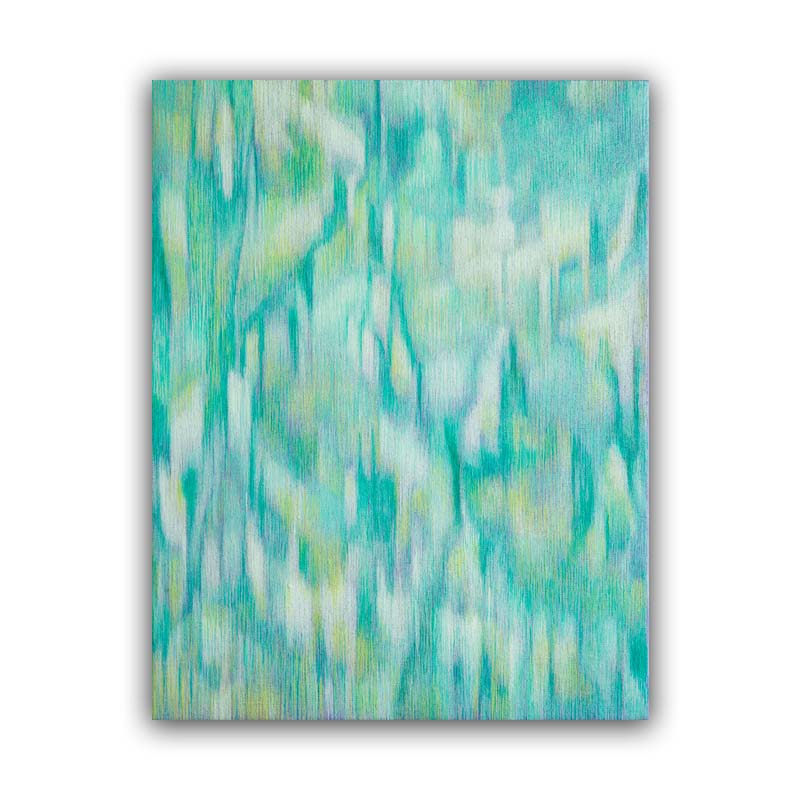
霧から雨へ
2017
oil on canvas
31.8x41cm
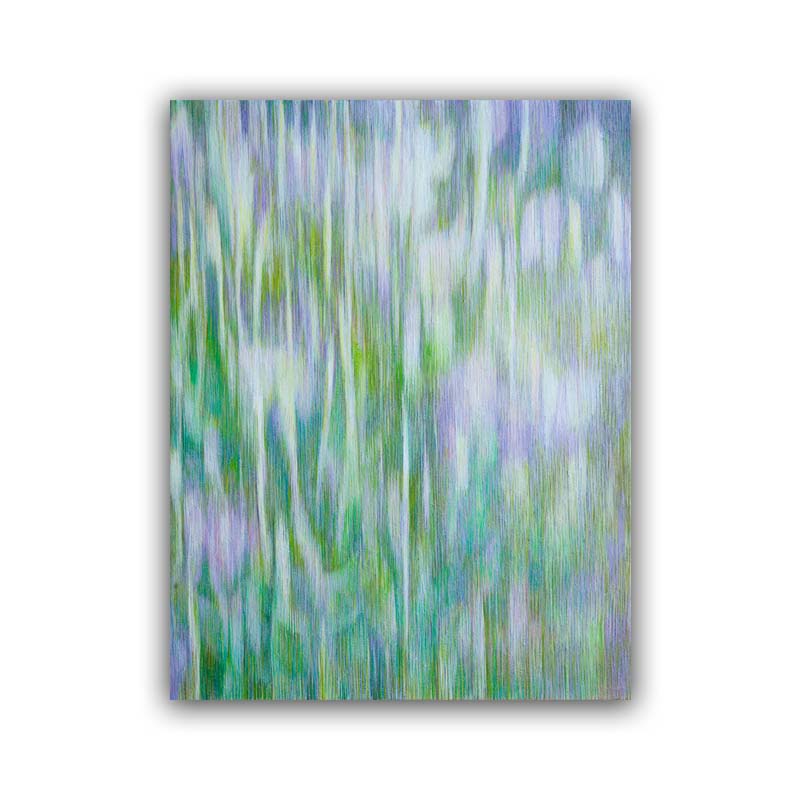
芒(のぎ)
2017
oil and egg tempera on canvas
27x35cm
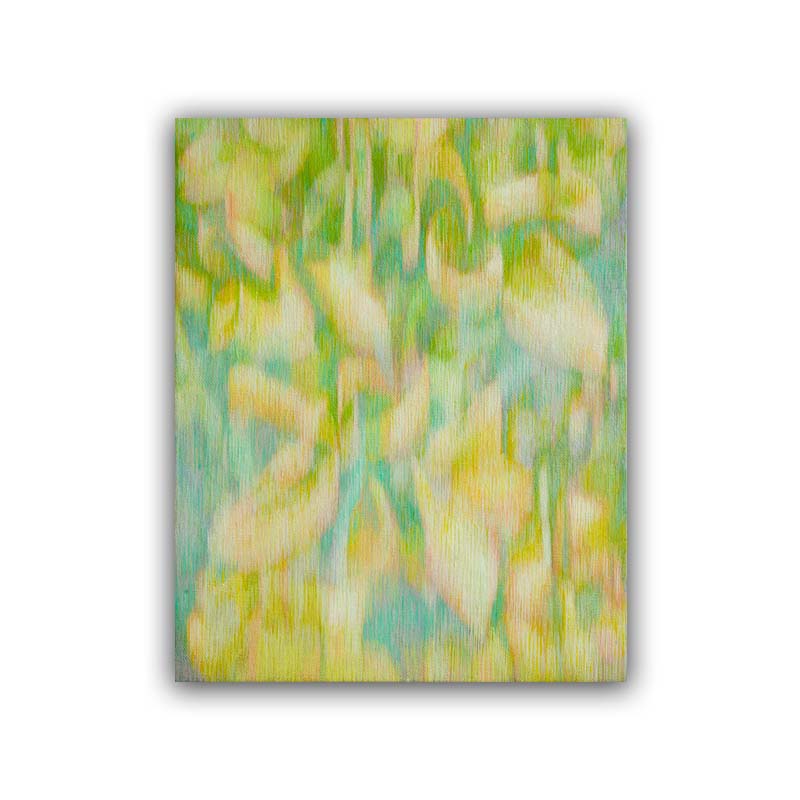
あまつゆ
2017
oil on canvas
27.3×27.3cm
ご感想から
いつも読んで下さる方から頂くご感想の中に、ご自分の若いときの記憶を思い起こして、次のような言葉を送って下さいました。
「あの頃、漠然と抱いていた将来に対する不安と希望が年齢を重ねるなかで現実を手に入れました。そんな生きる手がかりを得た一方で失った夢や希望もたくさんあります。」
とても重い言葉として受け止めました。ありがとうございました。 私にとりましても、失った夢や希望がいろいろあったのですが、なぜか「画家」という道が、実は夢や希望から少しはずれていたために、「画家」が実現してしまったのではないかと思う事があります。いろいろな人の人生を見て来て、ご専門とは少しずれた職業で上手く行っている人の方が、意外に多いように思われてならないからです。逆に、「画家」として生きようと、早くから決めることが出来てしまっていたら、私はこうはならなかったことでしょう。
それでもただひとつ私が大切にして来た事は、一つの繋がりとして生きようと努力して来たことです。失敗や失望することもすべて、自分がより自分らしく生きるための糧になるよう、決して無駄にしないように自分なりに意味付けをするようにして生きて来ました。
私が今連載で書いている自伝は、あとからあたかも画家に向かって1本の真っすぐな道があったかの用に今のところ描いていますが、次号からは、それが1本の道ではなかった事が、次第に明らかになって行きます。是非次号をお楽しみに!
(かわだ ゆうこ)
「画家川田祐子のニュースレター」は、
応援して下さる方々に向けて、
毎月1回手動で配信するメルマガ・サービスです。
次号は8月20日の送信予定です。
YUKO KAWADA Official Site
http://kawadayuko.jp
English version
Painter Yuko Kawada’s Newsletter No.7
In the mornings, it is around 21 degrees Celsius. During the day, temperatures reach 26 to 27 degrees, but as the sun sets, a cool breeze suddenly rises. Evening cicadas (Higurashi) begin to sing sweetly from somewhere, and as the surroundings fall silent, perhaps due to the clash of warm daytime air and cool evening wind, thunder begins to rumble softly in the distance. When fog brings rain and a sudden shower arrives, I turn the handles of the awning windows throughout the room, closing the glass panes that had been spread wide like wings. Before long, the rain softens, leaving a crisp, cool night sky outside. Wrapped in a thick wool cardigan, I enter the final push of my daily painting work. I have finally begun working on an F60-size canvas. From next month onward, I hope to present slightly larger works. With severe heat continuing across many regions, please take good care of your health.
Painter Yuko Kawada
Kobo no Hana (Flower of Rays)
2017
oil on canvas
50×65.2cm
Artwork Details:Kobo no Hana (Flower of Rays)
(Note: To make it clearer for international audiences, the title was later changed to “Snow Light Flower.”)
One of my favorite quotes:
“What is a weed? A plant whose virtues have not yet been discovered.” (Ralph Waldo Emerson)
Even if various forms of beauty have been exhausted in painting, could there still be a theme left for me to explore?Confronting that question, I reached the concept of “Wayside Grass” (Michikusa / detours) four years ago after breaking my femur. The Michikusa series emerged from my own everyday life, which eventually led to the opportunity for a solo museum exhibition last summer.
If there is a main road in life, people rarely stray onto side paths. Yet wonderful, serendipitous encounters often lie precisely in side alleys or longer detours. Creating such seemingly meaningless time may itself be the ultimate luxury.
Wayside paths are traditionally overgrown with weeds, though nowadays even weeds are erased by herbicides. Naka-Karuizawa, however, is a treasure trove of wild greenery. One can find endless stimulation from seemingly meaningless or indecipherable existences. Living in such an environment makes me think that an era where “weeds” are recognized as true treasure is bound to arrive.
When I researched rye in the past, I was deeply surprised to learn that rye was originally despised as a weed in wheat fields. Desperate to survive, it evolved to mimic wheat, and today it is sold at higher prices with its value fully reassessed. We tend to assume that Koshihikari rice is the height of luxury, but as values shift, an era where people eagerly seek out unpolished brown rice may be right around the corner.
This month, several pieces evoking “awn” (Nogi—the bristly awns of grain) came to life. Tall grass grows densely along the riverbank near my home, as if secretly cloaking the river’s location. On windy evenings, the tall blades rustle continuously, bringing a sense of cool air. Enjoying the shifting forms of light passing through, I arrived at this artistic expression. I hope Karuizawa’s cool breeze reaches all of you.
Autobiography of Painter Yuko Kawada: Made-Up Songs
Stepping back in time once again, this happened when our house was built in a small town in Yokosuka. Around 30 relatives gathered for a lively housewarming party, and amidst the excitement, I stood straight up to sing a song upon request.
My father gave me a knowing look: “Sing THAT song.” “THAT” referred to the nonsensical made-up song I often sang in the bathroom. Meanwhile, my aunts who worked at the kindergarten requested: “Sing THAT song!” Their “THAT” meant the nursery rhymes taught at kindergarten.
Betraying both sides, I proudly launched into Harumi Miyako’s hit enka song Suki ni Natta Hito (The One I Fell in Love With):
“Good-bye, good-bye, stay healthy and well… You can always meet the one you love…”
The atmosphere shifted instantly, followed by roaring laughter and applause.
I sang it simply because it was played everywhere on television and in town, so I had memorized it naturally. My father was utterly dismayed, but my aunts were thrilled, urging, “Sing more!” Embarrassed that I was singing pop songs, my mother hurriedly pulled me back.
Yet my aunts exclaimed: “Yuko-chan, when you grow up, you should join the Takarazuka Revue! You’ll be a star playing male roles!” Back then, my father always gave me a boyish haircut, so wherever I went people complimented me as a “dashing young master” (laughs). At that moment, I saw a flicker of light in my mother’s eyes.
Not long after, a pump reed organ arrived out of the blue. When my mother’s family kindergarten purchased a new electronic organ, my mother acquired the old second-hand one. To her disappointment, my reaction was complete indifference.
Everything I genuinely wanted to sing only surfaced inside the bathroom. I wasn’t even consciously aware that I was singing. My “made-up songs” were different from humming; they had their own spontaneous lyrics. Words that popped into my head merged with melodies on the spot:
“The sky, oh the sky, will clear up someday, just like that day…
Shining in the distance, ah~ ah~
Speaking to that star beyond reach…
Please, please, let my prayer reach heaven…” (laughs)
The moment I stepped out of the bathroom, however, I would completely forget what and how I had sung. Still, my father would always say, “That one was even better than the last.” But one day, the songs stopped coming. That happened because I started overthinking what kind of song my father considered “good.” The moment analysis stepped in, inspiration refused to arrive.
Meanwhile, the pump organ in my room gathered dust until a certain turn of events brought it to life.
When I was five, my younger sister was born during the summer. Her arrival completely disrupted my quiet pace of life. Even when going to play at neighborhood friends’ houses, I had to bring her along. Being five years apart, we naturally couldn’t enjoy the same games in the same way. Frustrated, she tried her hardest to keep up, but couldn’t manage. Being fiercely competitive, if she couldn’t master a game and win, she would throw a tantrum, crying and flailing.
Her personality was polar opposite to mine, leaving me thoroughly bewildered. My childhood friend, an only child of my age, found my little sister adorable. Whenever she wouldn’t stop crying, my friend would play the piano in the parlor for her. Before long, my sister became obsessed with the piano, and the dusty pump organ became her domain. From then on, it was whirlwind. Learning by imitation, she started attending music lessons and played the organ all day long.
My sister was intensely driven and proactive. Fast at absorbing puzzles, games, or anything new, her memory was remarkable. She could recite every speech bubble from an entire manga volume. Overwhelmed by her presence, I tended to hold back and stay quietly in the background.
One day, a real piano arrived at our house. It was crafted from ancient timber salvaged from a lake bed, dried, and stained—a rare green piano displaying exquisite natural wood grain. I have never seen another piano like it before or since. Just looking at it brought me happiness. Back then, owning a piano was a symbol of household status. My sister practiced obsessively every day, performing at local cultural halls once or twice a year.
Attending her recitals, our family watched her perform complex pieces from memory under spotlights, dressed in red or yellow gowns. My father eagerly recorded her shining moments with cameras and cassette tapes. Eventually, the green piano was traded in for a black grand piano. My sister marched straight ahead as the second coming of Mozart, a child prodigy whom everyone in the family believed in without doubt.
With my sister’s brilliant emergence, however, I gradually lost all confidence in myself. Unable to find anything I genuinely wanted to pursue, I suffered in silence.
What can I actually do? What kind of person should I become? Is it wrong to be so easygoing? I want to be so passionately absorbed in something that I’m overwhelmingly busy. That anxiety haunted me constantly well into my late twenties. The more I panicked, the more the things I truly cherished seemed small and insignificant.
Looking back, it seems unimaginable now.
Visitors to my exhibitions often envy my dedication to painting, but during my early years, I experienced painful struggles in my own way.
So how did things turn out for my sister, whom I had envied so much? That only became clear much later. Right before her university entrance exams, she suddenly realized: “I didn’t actually want to pursue piano.” In the end, she chose an entirely different path. Expecting her to enter a music university, my parents—who had invested so much money since her childhood—were deeply disappointed.
From my sister’s journey, I learned how extraordinarily difficult it is for anyone to encounter something they can dedicate themselves to with genuine heart. expecting such an encounter too early and rushing in panic can lead to choosing an entirely wrong path. I came to realize that living honestly with the mindset of “if I don’t have it yet, so be it” was the right answer after all.
My sister now calls me “cunning,” believing I am living doing exactly what I love. Yet the truth is that I can live this way thanks to her. Observing her life forced me to constantly reflect on my own path, and that experience directly connects to who I am today.
Back then, however, I never imagined I would become a painter, and spent every day weighed down by heavy worries I couldn’t share with anyone. Immersed in anxiety, I even lost sight of the purpose of studying at school. If I had a clear hope, purpose would follow, inspiring effort; without a purpose, I couldn’t apply myself to studies. In the midst of those days, I eventually committed the first major failure of my life.
(To be continued in the next issue)
Recent Activity
This month, I am introducing four new works: Kobo no Hana (Flower of Rays), Kiri kara Ame he (From Fog to Rain), Nogi (Awn), and Amatsuyu (Raindrop).
Kiri kara Ame he (From Fog to Rain)
2017
oil on canvas
31.8x41cm
Nogi (Awn)
2017
oil and egg tempera on canvas
27x35cm
Amatsuyu (Raindrop)
2017
oil on canvas
27.3×27.3cm
Reader Feedback
In feedback from a regular reader, they shared their own youthful memories with these words:
“The vague anxieties and hopes I held for the future back then turned into reality as I aged. Yet while acquiring handles on life, I also lost many dreams and hopes.”
I received these words with deep reverence. Thank you very much.
I, too, have lost various dreams and hopes. Curiously, however, I sometimes feel that becoming a “painter” actually realized precisely because it lay slightly outside my original dreams and hopes. Observing many lives, it seems to me that people who succeed in professions slightly adjacent to their original focus are surprisingly common. Had I decided early on to live strictly as a “painter,” I likely would not have reached where I am today.
The one thing I have held dear is the effort to live life as a single, connected thread. I have strived to give personal meaning to every failure and disappointment, ensuring nothing is wasted, so that every experience becomes nourishment for living authentically.
My ongoing autobiography currently reads as though a single straight path led toward becoming a painter, but starting next issue, it will become clear that the path was far from a single straight line. Please look forward to the next issue!
(Yuko Kawada)
“Painter Yuko Kawada’s Newsletter” is a monthly newsletter service manually sent on the 1st of every month to supporters and patrons.