
日本語
画家川田祐子のニュースレター@No.8
爽やかな朝の快晴が、一変して午後からミストで涼しくなり、やがて夕方近くに土砂降りの雨となる日々が続いています。 そのような長雨続きの中でも、上手にお天気と相談しながら、軽井沢のアトリエに少しずつお客様がいらっしゃるようになりました。 お車で、あるいは自転車ではるばる都内から峠を登っていらっしゃった方もいて、制作への大変な励みとなっています。 今月は、作品の購入や、支援金などのお陰様で、大作にも取り組む時間も少しずつ持てるようになって来ました。 感謝の気持ちで神仏に手を合わせて、おみくじをひくと「大吉」の文字。 その数日に、横須賀美術館作品所蔵の朗報を受けたのでした。 全ては、制作を支えて下さる方々の力が寄り集まっての成果。 このようなご報告が出来ますのも、応援して下さる方々の多大なる応援のお陰様です。 本当に心から感謝申し上げます。
画家 川田 祐子

内なる自然
2010
scratch/hatching
acrylic gouache on canvas
117x97cm
横須賀美術館所蔵
作品「内なる自然」
この作品を制作していた時期は、丁度リーマンショックと2011年の3.11の大震災の間にあたります。当時私は、相模原で12畳のアトリエを構えて、銀行からの融資を受け、ジクレーの制作機械で制作生活費を稼ごうと格闘していたのでした。自分の力でなんとかしなければならないともがけばもがく程、益々厳しい生活に陥ってしまっていたのでした。
ことの起こりは、リーマンショック前に画廊に朗報が舞い込み、香港に日本の大手建築会社が巨大なホテルを建てるという話しからはじまりました。そのホテルの客室全室に入れるジクレー作品を画廊に相談に来たというのです。担当者は、画廊の他の取扱い作家の作品はもとより、私の作品をことのほか気に入り、ジクレー工房とコラボして、沢山複製して客室を飾りましょうということになりました。
私としては何となく気が進まず、モタモタしている内に、あのリーマンショックが起きて、全て話しはたち切れ。すると私の中から、もの凄い野心のようなものがムクムクと湧き上がったのでした。
「ジクレーなら、自分で制作出来る….。」
Macマニアであった私は、大抵のデザイン仕事を独学でこなしていて、ジクレー工房を見学した際に、ジクレー制作のノウハウをほぼ習得して帰って来てしまったのでした。そしてそれから1ヶ月後には、銀行に200万の融資を受けて、印刷機、PC、デジタル現像ソフト、高解像度カメラなどの制作環境を構えたのでした。融資申請が通ってしまったのは、ミラクルの何ものでもありませんが、しかし話はそう上手くは行きません。
販路を求めて、色々なことに挑戦し、結局利益どころか、借金の返済のためにさらに借金を繰り返し、大車輪という裏ワザまで使う羽目になり、大大借金王に大変身。にっちもさっちも行かなくなったその時に、最後には神さま仏さまに頼むしかありません、ひたすら『観音経 観世音菩薩普門品第二十五偈』を唱えて絵画制作に向かったのでした。
すると、どこからか突然文殊菩薩さまが現れて、私の行なった何が悪かったのかを問い正して下さるだけでなく、アトリエの隅に置かれていたこの作品をかたに、お金を貸して下さると仰るのです。それも、作品はアトリエに置いたままで構わないとまで仰る。自由、ジクレーなどの作品を海外に向けて売ってみてはどうかとアドバイスまでされたのでした。藁をも掴む気持ちでおすがりしたその瞬間です。ゆさゆさとあの3.11の大震災の揺れが怒涛のように押し寄せたのです。この奇想天外な話は、決して大袈裟でも夢ではありません。本当の話です。
そうこうしている内に、今度は大観音菩薩さまが現れて、この作品を買って下さるので画廊に送りなさい、と連絡が入ったのでした。お金を貸して下さった文殊菩薩さまに事情を説明すると、是非そうしなさいと仰る。その上、作品が売れても貸したお金は出世払いで良い、とまで仰って下さるのでした。
この作品を画廊に送り、大観音菩薩さまが作品を購入して下さったのですが、その作品は長らく5年もの間画廊に置かれた後に、そのままこの作品は横須賀美術館の『川田祐子展』に展示され、一度も所蔵者の手には渡らない内に、美術館所蔵作品になったのでした。
この作品は、その当時の私自身が正直に表われていると、今でも自負している作品です。厳しく、激しく、しかし全ては自分の内心の闇の中の葛藤として、人知れず奮闘していたことがそのまま作品となりました。そしてその時に私が得た教訓は、「ただひたすら純粋に絵画制作だけに打ち込めば、その作品が必ず私を画家として活動出来るように何とかしてくれる」「余計なことは考えず『内なる自然』に従って制作に専念せよ」ということだったのでした。
昨年夏の横須賀美術館開催の「川田祐子展 千年の翠」にて展示されたこの作品は、展覧会後に個人所蔵者から、他の2点の作品(「Memory of Sands」「氷の誓い」)と合わせて、美術館に寄贈され、今年の3月に評議会の審査を通って、横須賀美術館所蔵作品となりました。この3点は、その時々の私の苦難とそれを乗り越える奇跡とを、そのまま映し出している作品でありました。そういう意味で、とても重要な作品を美術館所蔵にして頂いたことになります。
奇想天外な運命を辿って、このような結末になるとは、私自身夢にも思っていなかったことです。 現在作品は、横須賀美術館の常設展示コーナーに展示中です。 この話が本当かどうか? 作品がなぜそのような力を発揮して作家を助けたのか? 知りたい方は、是非直接美術館で作品を見てご確認下さい。
【画家川田祐子自伝】高校受験ー失敗は成功の母
私が中学校に通学していた頃は、よく松任谷由実(当時 荒井由実)の曲が町に流れていました。「しらけ世代」と言われた世代の後を背伸びして追いかけていたような中学生でした。中学校は海を見下ろせる小高い場所にありました。心地よい潮風が教室のカーテンを揺らし、きらきらと光る濃紺の海原をゆっくりサンフラワー号が浮かんでいるのをみつけることもありました。
クラスメイトの中に両思いのカップルが生まれると、放課後に海岸の方向に並んで歩く姿をみつけることもありました。自然に恵まれた環境の中で、自由を満喫出来る校風でした。
教室の後ろには、担任の先生がセレクトした本が教室文庫として置かれていて、その中のリルケの詩集は、教室内の密かなベストセラーでした。友達同士で読み合って、どう解釈したか? というような話しをしたり、交換日記に感想を書いたりしていました。
その内に、寺山修司の詩集が流行し、友達同士で貸し借りするようになると、やがてレコードも貸し借りがはじまりました。レコードのほとんどがなぜかリアルタイムのブリティッシュ・ハード・ロック。それはこの小さな浜辺の中学校の生徒たちに、熱い情熱を注ぎ込んだのでした。放課後にあちこちの教室からエレキギターを練習する音が響くようになり、やがてコピーバンドのグループが5つくらい結成されて、体育館や公民館でロックコンサートまで開催されたのでした。
私自身は、交換日記に音楽評論のようなものを書いてみたり、詩を綴ってみたり、挿絵を描いたり….、その内にコンサートのポスターやチラシ、チケットのようなものを作ってみながら、将来はクリエイティブな仕事につきたいと、心の底では感じながらも、うまく周囲の人に相談出来ずに悶々とする日々でした。
ある日進路調査というのがあって、私は親にも相談せずにデザイナーを志望と書き、志望校を工業高校と書いたのでした。するとある日廊下で美術の先生に呼び止められました。
「川田は、本当は美術の成績が10なんだけれども、どうしても偏差値の高い高校に希望していて内申の成績が低い生徒がいて困っているから、成績を少し融通してもらっていいかな?」と頼まれたのでした。
私がどういう事なのか、考えていると、すかさず「おまえは自分の成績よりも偏差値の低い高校を希望していて、成績10は必要ないじゃないか」と言うのです。「そういうものなのかな?」とは思ったものの、「大人の世界はそういうものなのかもね」くらいに感じて、あっさり「どうぞ」と言ったのでした。
それからしばらくして、家族会議があって、父が「工業高校? デザイナー? 絶対許さん!」という話しになりました。いろいろな理屈が並べられましたが、私はあまり真剣に考えることができず、相変わらずふわーっとした感覚のまま、まるで大海原に浮かぶ小舟のようでした。
当時の私の頭の中には、雑多な様々なものがごちゃごちゃ入り込んで、自分だけの空間を持つスペースがないような感覚でした。それは、自分と向き合う事が邪魔されているような状態でした。家では母が1日中テレビを付けっぱなし、父は良かれとクラシック音楽を大音響で堪能し、妹の弾くピアノの練習曲が繰り返し毎晩鳴り響き、学校ではロック・ミュージックが、町の中は歌謡曲全盛時代。一人静かに自分と向き合う時間が持てていなかったのです。
結果、従順にも私は親の進める、成績に見合った高校を受験する事に急遽変更となったのでした。ものごとは、どんどん坂道へと転がり始めました。恐ろしいもので、それは私の心の中の大切な部分が、「もう私の人生はどうでもいいです」モードにすっかりなってしまったことを意味していたのでした。
忘れもしない高校受験の朝、落ちるはずのない神棚が突然ガタンと音をたてて落ちました。そして保温ポットまで倒れて割れたのです。まるでドラマを見ているかのようでした。そういうことが現実に起こるものなのです。
結果、私は高校浪人へ真っ逆さまに陥ったのでした。
担任の先生が、家庭訪問されて、神奈川の高校受験についてのしくみを、いろいろ説明しに来られましたが、全ては起きてしまった事で、何があったのかはよくわからずじまいのうやむやになりました。私の脳裏には、ただ美術の先生の言葉が無限ループのように回っていたのでした。しかし、私は「どうぞ」と言ったことの責任を取って、そのことは当時誰にも言わなかったのでした。全ては自分のネガティブな姿勢が招いた失敗と自覚したのです。
母はあきれ果てて、娘を座敷牢に閉じ込めておきたいというような感じでしたが、父は冷たく一言「今から受験出来るのは、定時制高校しかない」。
ということで、私は定時制高校に入学することになったのでした。
この地点が、私自身を獲得する旅の始まりです。そしてその私にとっての大きな失敗は、実は大きな成功を意味していたとは、誰がその時想像出来たでしょう。(次号につづく)
【Q&A】
自転車でアトリエにいらした方が、「作品の値段が安すぎます。何でもっと高くしないのですか?」と心配して下さったので、私なりの考えをお伝えしました。
すると、「その話は、絨毯売りの話しのようですね」ととても面白い話しをして下さいました。
ある大人が小人を連れ立って、一番良いものを求めて絨毯屋を尋ねました。大人は「一番良い絨毯が欲しい」と店主に言いました。すると二人の前に「お店で一番高い値段の絨毯」と「お店で一番安い絨毯」が広げられました。大人は一番高額な絨毯が一番良いと思って、買おうとしました。すると小人は安い方の絨毯を指差して「これが買いたい」と伝え、店主に「なぜこの絨毯はこのお店の中で一番素晴らしいのに一番安いのですか?」と正直に聞いたのです。すると店主は、とても喜んで、「本当に素晴らしい絨毯がわかる人にこの絨毯を売りたいからです。」ニッコリ笑い、「例え安く売ってしまっても、高い絨毯を素晴らしいものと思いこんでいるお客がいる限り、何も損にはならないのです。」と言ったのでした。
軽井沢には、世界的に有名なお金持ち、例えば千ヶ滝に自家用飛行機で来ているというビル・ゲイツをはじめ、セレブな人々が夏には沢山集います。そういうところで個展を開いたら、きっと高額であればあるほど話題となって、私もセレブな画家になれるのかもしれません(苦笑)。しかし、そのような活動は、「裸の王様」のようなもので、ただただ虚しく孤独になるばかりです。
最近山田登世子著『贅沢の条件』(岩波新書)を図書館で立ち読みしました。その中でさまざまな贅沢が紹介されていますが、シャネルのイミテーション・ジュエリーを贅沢革命として取り上げて、お金に換金出来ないものを買えることが究極的な贅沢、と教えていました。現代作家の作品には、高額を一つのステイタスにして売り込む方法が蔓延していますが、本当からすれば、どれも現時点では評価が定まっていない価値の不確かなものです。100年後にも通用するものがあるのかどうか、案外鑑識眼に自負を持っている人であっても、雑多な知識、余計な情報に惑わされていることが多いものです。しかし、あの小人のように正直な自分の感性を信じる事さえ出来れば、誰もが100年後にも通じる普遍的な価値を、自らプロデュースして、後世に残すことができるのです。
【お知らせ】
平成29年度 第2期所蔵品展 2017年7月15日(土)~10月1日(日) 休館日:8月7日(月)、9月4日(月) 観覧料:一般310(250)円、高・大・65歳以上210(160)円 谷内六郎館も観覧できます。( )内は20名以上の団体料金 ※以下の方は所蔵品展、谷内六郎館および企画展がすべて無料です。 ・身体障害者手帳・療育手帳・精神障害者保健福祉手帳をお持ちの方と付添1名様 ・中学生以下、高校生(市内在住または在学に限る)。
横須賀美術館
〒239-0813 横須賀市鴨居4-1
TEL:046-845-1211(代表)
http://www.yokosuka-moa.jp/
http://mobile.yokosuka-moa.jp/
*平成28年に個人所蔵者から横須賀美術館に寄贈された川田作品3点(『Memory of Sands』2005、『内なる自然』2010、『氷の誓い』2013)が平成29年3月に美術館所蔵作品となりました。3点の内、2点が展示中です。
【横須賀美術館 所蔵作品 詳細】
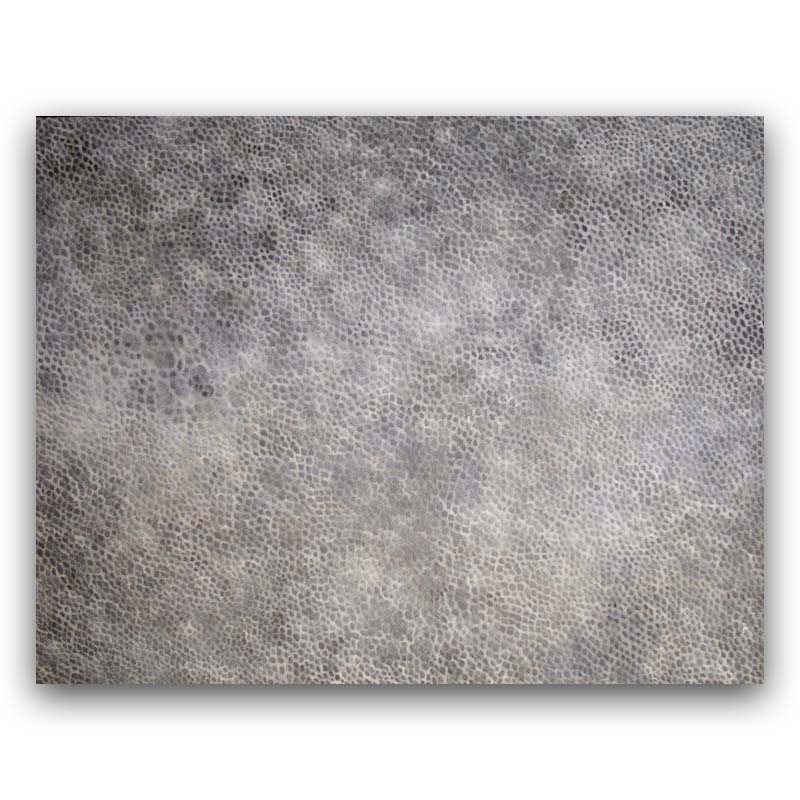
Memory of Sands
2005
hatching/scratch
acrylic gouache on canvas
116.7x91cm
横須賀美術館所蔵
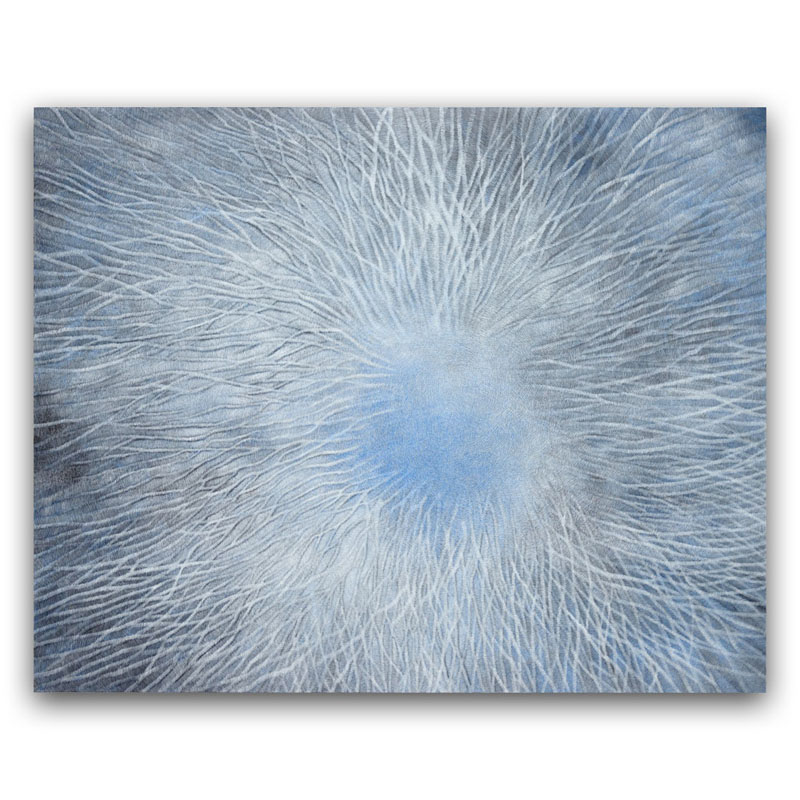
氷の誓い / Oath of Ice
2013
scratch/hatching
acrylic gouache on canvas
91×72.7cm
横須賀美術館所蔵
「画家川田祐子のニュースレター」は、
応援して下さる方々に向けて、
毎月1回手動で配信するメルマガ・サービスです。
次号は9月20日の送信予定です。
YUKO KAWADA Official Site
http://kawadayuko.jp
English version
Painter Yuko Kawada’s Newsletter No.8
Days continue where refreshing, clear mornings suddenly turn cool with afternoon mist, eventually leading to downpours by late afternoon. Even amid this prolonged rain, guests have gradually begun visiting my Karuizawa studio, thoughtfully coordinating with the weather. Some have traveled all the way from Tokyo by car, or even by bicycle over the mountain pass, which serves as a great encouragement for my creative work. Thanks to artwork purchases and support funds this month, I have gradually been able to set aside time to work on larger pieces. When I joined my hands in prayer with gratitude and drew a fortune (omikuji), it read “Great Fortune” (Daikichi). Just a few days later, I received the wonderful news that my artworks were officially acquired for the permanent collection of the Yokosuka Museum of Art. All of this is the result of the collective support of everyone who sustains my creative efforts. Being able to share such news is entirely thanks to the immense support from all of you. I express my deepest, most heartfelt gratitude.
Painter Yuko Kawada
Inner Nature
2010
scratch / hatching
acrylic gouache on canvas
117 × 97 cm
Collection of Yokosuka Museum of Art
Artwork Details : Inner Nature
The period when I created this artwork fell right between the Lehman Brothers financial crisis and the Great East Japan Earthquake of March 2011. At the time, I maintained a 12-tatami studio in Sagamihara, struggling to earn my creative living expenses through a giclée printing setup backed by a bank loan. Yet the more I struggled to manage everything by my own strength, the deeper I sank into severe financial hardship.
It all began before the Lehman crisis, when good news reached my art gallery about a major Japanese construction firm building a massive hotel in Hong Kong. They had approached the gallery to consult on providing giclée prints for every guest room. The representative took a particular liking to my work, proposing a collaboration with a giclée workshop to produce numerous reproductions to adorn the rooms.
While I hesitated, feeling somewhat reluctant, the Lehman crisis struck, and the entire project vanished. Suddenly, a surge of intense ambition welled up inside me:
“If it’s giclée, I can produce it myself…”
As a Macintosh enthusiast who self-taught most design tasks, I had essentially mastered the technical know-how of giclée production during a brief tour of a printing workshop. One month later, I secured a 2 million yen bank loan to set up a production facility with a high-end printer, PC, digital processing software, and a high-resolution camera. While getting the loan approved was nothing short of a miracle, things did not go smoothly.
Attempting various avenues to build sales channels, I accumulated no profits; instead, I repeatedly took out loans to pay off existing debts, even resorting to desperate financial maneuvers, transforming myself into a massive debt-holder. Completely cornered, I had no choice left but to rely on divine assistance, devotedly chanting the Avalokiteshvara Sutra(Gatha of the Universal Gateway Chapter) while turning to my canvas.
Suddenly, as if appearing out of nowhere, Manjusri Bodhisattva (Monju Bosatsu) manifested—not only questioning what I had done wrong, but offering to lend me money using this artwork resting in the corner of my studio as collateral. He even insisted that the painting could remain right in my studio. Furthermore, he advised me to try selling giclée prints overseas. At the exact moment I reached out to hold onto that thread of hope, the violent tremors of the 3.11 Great East Japan Earthquake struck like a raging wave. This extraordinary story is neither an exaggeration nor a dream; it is absolute truth.
Before long, Great Avalokiteshvara Bodhisattva (Dai-Kannon Bosatsu) appeared, sending word to send this painting to the gallery as they wished to purchase it. When I explained the situation to Manjusri Bodhisattva, who had lent me money, he encouraged me to go ahead. He even added that loan repayment could wait until I achieved success, regardless of the sale.
I shipped the painting to the gallery, where Great Avalokiteshvara Bodhisattva purchased it. However, after remaining at the gallery for five long years, the artwork was directly exhibited at my solo exhibition, Yuko Kawada Exhibition, at the Yokosuka Museum of Art, entering the museum’s permanent collection without ever passing into the private owner’s physical hands.
I still take pride in this artwork as an honest reflection of who I was at that time. Severe and intense, it captured my solitary struggle against the dark conflicts within my inner self. The lesson I gained then was this: “If I dedicate myself purely and single-mindedly to painting, the artwork itself will somehow enable me to continue living as an artist. Think no extraneous thoughts, and devote yourself to creation following your ‘inner nature.'”
Exhibited at the Yokosuka Museum of Art’s summer exhibition Yuko Kawada: Thousand Years of Verdure last year, this piece—along with two others (Memory of Sands and Oath of Ice)—was donated to the museum by the private collector. Following committee review in March this year, it officially entered the permanent collection of the Yokosuka Museum of Art. These three works directly reflect my hardships at those specific times and the miracles that overcame them. In that sense, extraordinarily meaningful pieces have been entrusted to the museum.
I could never have dreamed that an eccentric fate would lead to such an outcome.
The artwork is currently on view in the permanent collection gallery at the Yokosuka Museum of Art.
Is this story true? Why did the painting exert such power to rescue the artist?
If you wish to discover the answer, please visit the museum to see the work in person.
Autobiography of Painter Yuko Kawada: High School Entrance Exams — Failure as the Mother of Success
During my junior high school days, Yumi Matsutoya’s songs (then Yumi Arai) frequently played throughout town. I was a student stretching to follow the heels of the “Shirake Generation” (the apathy generation). Our school sat on a hill overlooking the sea. Pleasant sea breezes swayed the classroom curtains, and I would sometimes spot the Sunflower ferry gliding slowly across the sparkling deep-blue ocean.
When mutual crushes blossomed among classmates, you could spot them walking side by side toward the beach after school. Blessed with natural surroundings, the school culture enjoyed abundant freedom.
At the back of the classroom sat a class library curated by our homeroom teacher, where a collection of Rilke’s poetry became a secret bestseller. Friends read it together, debating interpretations and sharing thoughts in exchange diaries.
Eventually, Shuji Terayama’s poetry gained popularity and passed among friends, soon followed by vinyl records. Most of the records were contemporary British hard rock, which poured intense passion into the students of this small seaside school. Electric guitars echoed from various classrooms after school, leading to the formation of about five cover bands that even held rock concerts in the gymnasium and community center.
In exchange diaries, I wrote music reviews, composed poetry, and drew illustrations… Later, while designing concert posters, flyers, and tickets, I harbored a deep desire to pursue creative work, though I spent my days agonized, unable to consult those around me.
One day, during a career survey, I wrote “Designer” as my career goal and listed a vocational high school without consulting my parents. Shortly after, my art teacher called me over in the hallway.
“Kawada, your art grade is actually a 10, but there’s a student with low internal assessment marks who desperately wants to enter a high-academic high school. Would you mind letting us adjust your grade to help them out?”
As I pondered what that meant, the teacher quickly added, “You’re aiming for a school below your academic rank anyway, so you don’t really need a 10, right?” Though I wondered about it, I accepted it casually with an “Aha, maybe that’s how the adult world works,” and readily replied, “Go ahead.”
Shortly after, a family meeting took place where my father asserted: “Vocational school? Designer? Absolutely forbidden!” Various arguments were laid out, but I couldn’t take them seriously, floating along in a daze like a small boat on the open sea.
My mind back then was cluttered with chaotic noise, leaving no tranquil space for my true self. Self-reflection was constantly disrupted: at home, my mother kept the TV on all day, my father blasted classical music for enjoyment, my sister’s piano practice pieces echoed every night, while rock music filled school and pop songs dominated the town. I had no quiet time to face myself.
Consequently, I obediently changed my target to a standard high school matching my academic marks as my parents urged. Things quickly rolled downhill. Frighteningly, a vital part of my heart shifted entirely into “Whatever happens to my life doesn’t matter anymore” mode.
On the unforgettable morning of the entrance exam, the household altar (kamidana)—which could never fall—suddenly crashed down with a loud thud. The thermal water pot also tipped over and shattered. It felt like watching a drama; such things actually happen in real life.
As a result, I fell headlong into failing the exams and becoming a high school ronin.
My homeroom teacher visited our home to explain the complex entrance exam system in Kanagawa, but everything had already transpired, leaving me in a bewildered haze. My art teacher’s words echoed on an infinite loop in my mind. Yet, taking responsibility for having said “Go ahead,” I told no one about it back then. I recognized the failure as something brought on by my own negative attitude.
My mother was utterly appalled, looking as though she wanted to lock her daughter away in a room, while my father remarked coldly: “The only school you can take exams for now is evening high school (Teijisei).”
And so, I entered evening high school.
This exact point marked the beginning of my journey to reclaim myself. And who could have imagined at that moment that this massive failure would actually signify my greatest success? (To be continued in the next issue)
Q&A
A visitor who arrived at the studio by bicycle expressed concern, asking: “Your artwork prices are far too low. Why don’t you price them higher?” I shared my perspective with them.
In response, they shared a very interesting story: “That sounds just like the story of the carpet merchant.”
An adult accompanied by a young child visited a carpet shop seeking the finest quality. The adult told the shopkeeper, “I want the best carpet you have.” The shopkeeper spread out two carpets: “the most expensive carpet in the shop” and “the cheapest carpet in the shop.” Assuming the most expensive one was the best, the adult prepared to buy it. The child, however, pointed to the cheaper carpet and said, “I want to buy this one,” asking the shopkeeper honestly, “Why is this carpet the cheapest when it is the most wonderful one in the shop?” Delighted, the shopkeeper smiled warmly: “Because I want to sell this carpet to someone who truly recognizes genuine excellence. Even if I sell it cheaply, as long as there are customers who believe expensive carpets are superior, I lose nothing.”
Karuizawa attracts many affluent individuals in summer—including world-famous figures like Bill Gates, who flies into Sengataki on a private plane. Holding a solo exhibition in such a place with high price tags would certainly generate buzz and perhaps make me a “celebrity painter” (laughs). Yet such activities are like The Emperor’s New Clothes, leaving one empty and lonely.
I recently browsed Toyoko Yamada’s book Conditions of Luxury (Zzeitaku no Joken, Iwanami Shinsho) at the library. Among various luxuries introduced, it highlighted Chanel’s imitation jewelry as a “luxury revolution,” teaching that buying things that cannot be converted back into money is the ultimate luxury. In contemporary art, setting astronomical prices as a status symbol is widespread, but in truth, these represent uncertain values whose long-term evaluation remains undecided. Whether anything will remain valid 100 years from now is uncertain; even those proud of their connoisseurship are often misled by cluttered knowledge and excess information. Yet, if one can trust their honest sensibility like that child, anyone can self-produce and pass down universal values that endure 100 years into the future.
News & Announcements
FY2017 Permanent Collection Exhibition II
July 15 (Sat) – October 1 (Sun), 2017
Closed: August 7 (Mon), September 4 (Mon)
Admission: General 310 yen, High School/University/Over 65: 210 yen
(Includes access to Taniuchi Rokuro Pavilion)
Free admission for junior high students and younger, disability certificate holders with one attendant.
Yokosuka Museum of Art
4-1 Kamoi, Yokosuka City, Kanagawa 239-0813
TEL: 046-845-1211
http://www.yokosuka-moa.jp/
Three works donated by a private collector in 2016 (Memory of Sands 2005, Inner Nature 2010, Oath of Ice 2013) officially entered the permanent collection of the Yokosuka Museum of Art in March 2017. Two of these works are currently on display.
Collection Details
Memory of Sands
2005
hatching / scratch
acrylic gouache on canvas
116.7 × 91 cm
Collection of Yokosuka Museum of Art
Oath of Ice
2013
scratch / hatching
acrylic gouache on canvas
91 × 72.7 cm
Collection of Yokosuka Museum of Art
“Painter Yuko Kawada’s Newsletter” is a monthly newsletter service manually sent on the 1st of every month to supporters and patrons.