
日本語
画家川田祐子のニュースレター@No.9
雨の多かった夏も終わり、散策の足の向かう先は、もっぱら町の図書館になっています。 図書館は2カ所あり、一つはしなの鉄道の中軽井沢駅校舎内にあり、自宅から歩いて15分。 もう一つは、もう少し近くの、急坂の上にある離山図書館。 その道すがら、芙蓉、コスモス、アザミの花を楽しみ、帰宅すると50号の作品に取り組みという日々を過ごしました。 季節の変わり目、皆様、どうぞお健やかにお過ごしください。
画家 川田 祐子

花千片
2017
oil on canvas
91×116.7cm
【作品詳細】『花千片』
9月に入って、しばらく疎遠だった詩集などを、アトリエの片隅に置いて、制作しています。 詩と言っても古今東西無数にあり、図書館であれこれ本を抜き出し、 「大げさな訳の西洋詩は気恥ずかしい」 「感傷的な明治大正の詩も苦手」 「良寛や芭蕉も素晴らしいけど、老年好み」 「もう少し生き生きとした生命を美しく賛歌するようなものはないものか?」と尋ねめくる内に、心にピタッと来た一文。それは白楽天の漢詩なのでした。
池色溶溶藍染水。花光焔焔火焼春。 (「池の水はなみなみとしてその色は藍で染めたように青く、木々の花は明るく輝いて火で春の空を焼いたように紅である。」『新潮日本古典集成』訳より)
季節がどうも合わないので、出典の『和漢朗詠集』をさらにめくって行くと、次々に心に響く文の数々。
落花不語空辞樹。流水無心自入池。 (「落花は無情なもので、昔のことを語ることなく徒らに枝を離れて散り、流水は何の心もなく昔のままに独り自ら池に流れ入るだけだ。」『新潮日本古典集成』訳より)
余計な自伝などを書き連ねている自身を振り返り、しばし自省(苦笑)。
そして、
風翻白浪花千片。雁点清天字一行。 (「風が白浪を吹き翻すと千片の花びらを散らしたように見え、雁が青空に点々として飛んで行くさまは、青い紙に一行の文字を書いたようだ。」『新潮日本古典集成』訳より)
そこには、自然を無心に見つめ、決して自分勝手な思い込みなどは織り込まずに、ありのままが描かれ、まるでスローモーションのような微細な観察眼を読み手に与え、少ない文字に懐深い自然の世界が繰り広げられています。
親切な訳注がかえって邪魔になる程で、一つ一つの漢字とその間をつなぐものを頭の中で巡らせることは、とても有意義で楽しいひと時となります。
白楽天の「ほどほどを良し」とする「中隠」という生き方。今をくつろぎ、ままならない人生をも肯定的に捉える、「楽天」という言葉を後世に残したその人柄。白楽天の存命中の9世紀中頃には、日本にも伝わり、平安文学に多大な影響を与えたこと。調べれば調べるほど、その魅力に圧倒されています。
そのような白楽天の漢詩を読みながら制作したこの作品を、僭越ながら「風翻白浪花千片」の中から3文字拝借して、「花千片」とさせて頂きました。
またこの作品の一つ手前で制作した「水面花」という作品をきっかけにして、描線を横にして、水面を感じさせる画面を意識して、縦ストロークで制作しながら、度々画面を回転させて横画面を確認していくような制作となりました。
【画家川田祐子自伝】高校再受験ー初めての決意
定時制高校のクラスメイトたちは、看護師、自動車工場の工員、タレントで生計を立てているという女性や、男性では自動車修理工や日雇いの土木関連の仕事をしている人もいました。昼間に働いているわけでもない、場違いな私でしたが、どの人たちも温かく、優しく接してくれたのでした。しかし、学校に入る時間から、次第に辺りは暗くなり、帰宅する頃には真っ暗な夜道を歩いて帰宅するという生活は、正直本当に鬱々とした暗い気持ちにならざるをえなかったのでした。
1ヶ月ほど経ってから、後ろめたい気持ちを少しでも解決しようと、母校の中学校の職員室を訪ねて、昼間に何か仕事をしたい、というような相談をしたところ、とりあえず入院で1年休学している女子学生の家庭教師の仕事を斡旋してもらったのでした。勉強の指導というよりは、話し相手が欲しかったらしく、ご両親も友達のように接して欲しいということでした。
そこまでは、表面を装うような形ができて行くような感じでしたが、その斡旋をしてくれた教員が、今振り返れば相当のワルで、度々喫茶店に誘ったり、車であちこちに連れていくということが起き始め、あっという間に変な噂が立ってしまったのでした。この事件をきっかけに、私はあらためて、自分自身が誰にも何の信頼も勝ち得ていない、いかに脆弱な存在であるかを思い知ったのでした。
自分の価値とは一体何なのか? その時ほど身にしみて考えたことは、後にも先にもなかったのでした。
「例えば、もっと最悪な状態で、自分が高校に通うことすらできず、家族からも見放され、一人何も持たずに世間に放り出されたとしたら、自分は何を生きる糧にすることができるだろうか? 何を持って人に信頼してもらったり、存在の価値を認めてもらうことが出来るか?」自分自身に問わずにはいられない、そういう窮地に立つことになったのです。
当時の私が出した答えは、「今は本当に真剣に勉強して、自分を磨かなければならない。名誉を挽回するには勉強しかない。」ということでした。奈落のような底辺に突き落とされて、本当に心から自分を高めたいと、心底感じることができたのでした。
それは、私にとっての初めての一大決心となって、そこからはとにかく家庭教師というような繕ったようなことはせずに、朝から自室にこもって一から中学3年間で怠っていた勉強をしたのでした。そして、どうしてこうなったのかを一つ一つ振り返ってみたのでした。そのことで明らかになったことは、そもそも「私は何のために勉強するのか?」その目的が全くつかめていないことに気づいたのです。そして私はとにかく、「家族とか高校とか、社会の目というものに、何も縛られずに自由に生きてみたい」という目標が見え始め、そのために今できることは何か? と逆算してみた結果、「なるべく難易度の高い高校にもう一度受験をやり直す」という結論に至ったのでした。誰に諭されるわけでもなく、誰に問われたのでもなく、自分ではじめて気づき決意したことでした。
その頃はもう夏も過ぎて、受験までそう長い時間的な猶予がなくなっていたのですが、兎にも角にも勉強し、それでもなかなか能率の良い勉強方法が見つからず、諦め始めた頃に、これが天の助けというものでしょうか? 入試問題の過去問を洗いざらい見ているうちに、問題の作成に法則性があることに気づいてしまったのです。すると、今度出るに違い無い問題が全て自分で作れてしまい、何か手応えのようなものをつかめた気がしたのでした。
早速、母校の担任に相談し、1年遅れて、今度は本当に進学したい、地域で最も高い難易度の高校に再受験したのでした。
受験当日、数学のある一問だけ予想外の問題が出て、その時は、頭の中が真っ白になって、自分でも気絶するんじゃないか、というような状態に陥ったのでしたが、その気絶が功を奏したのか、かえって頭の中が冴え渡って解けた時は、自分でも本当に驚くほどの力が発揮できたのでした。それまで受験というものを斜めに見ていたような気持ちが、まっすぐな心持ちで取り組めた自分が嬉しくなるほどでした。
結果は合格。これは後から耳にしたことですが、ほぼ満点の出来だったそうです。
この経験は、その後の私にとってずっと長く、今でも心の支えになっていることです。自分を信じるということは本当に難しいことだけれど、あの時に窮地に陥ったことで、これほど大きな自信を持てるような経験ができたのです。それは、人生上の失敗は、必ず自分がその時気付かなければならない大きな意味があり、それを乗り越えることで、必ず失敗が失敗でなくなることを学んだ経験となったのでした。
しかし、その大きな喜びと希望は、たちまちのうちに色褪せてしまうものでもあったのでした。
(次号につづく)
【お便りから】
横須賀美術館に収蔵された作品を見に行ってくださった方から、お便りを頂きましたので、ご紹介いたします。
「横美で、《内なる自然》、《Memory Of Sands》観ました。企画展に合わせて、海に関連付けられる作品を展示していました。 ー略ー 天井の高い、明るい自然光の広いスペースに展示されると、狭い部屋の画廊と比較できませんが、《Memory Of Sands》も印象が違いますね。空間に溶け込んでいました。常設の企画が超派手な編み物作品なので良いバランスが取れて、今回の展示責任者も渡りに船の作品だったのではないでしょうか。9月の企画展にも行く予定にしていますー略ー」
毎回、ニュースレターのご感想を送ってくださるHKさん、展示の様子も教えてくださって、ありがとうございました。 私は、まだ見に行くことができていませんが、作品が1点でも売れれば見に行きたいと考えています。 展示期間も残すところ10日余り、どうぞご支援の程、よろしくお願い致します。
【制作の近況】
冒頭でご紹介した「花千片」に関連して3点の小品が出来ました。
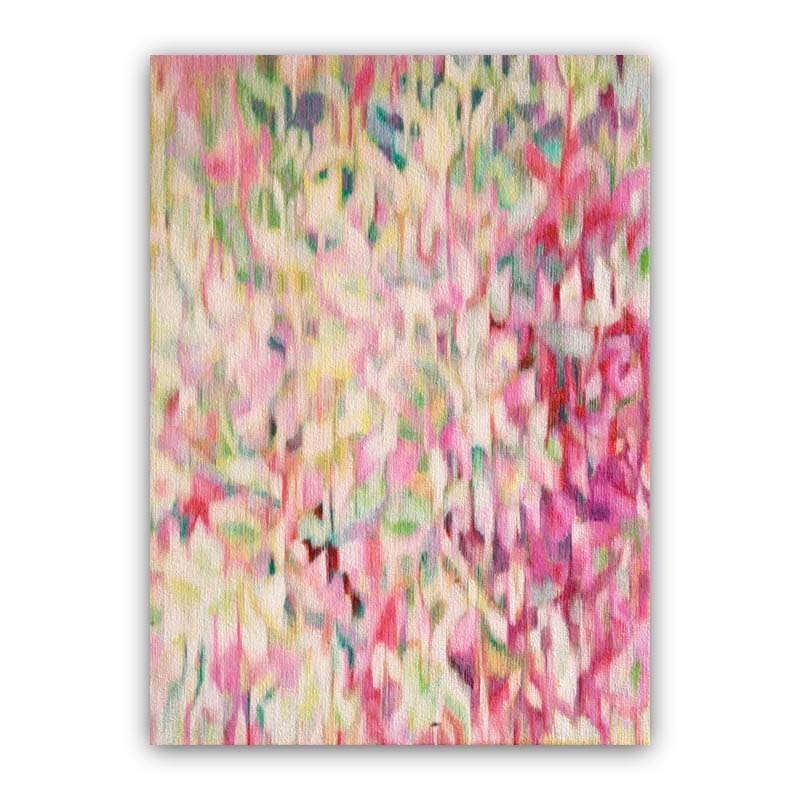
花のアラベスク
2017
oil on canvas
33.3×24.2cm
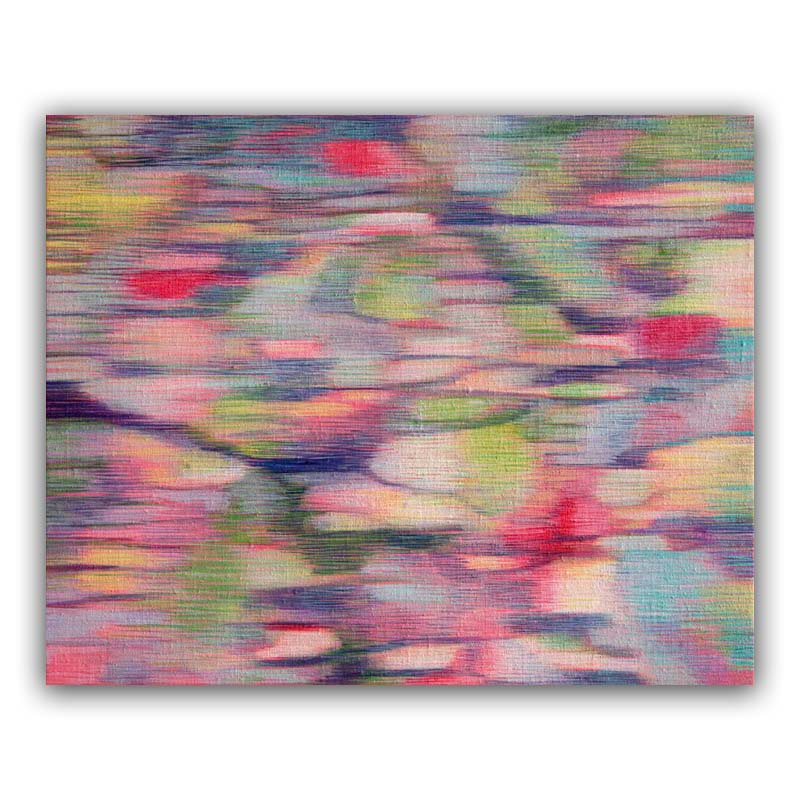
水面花
2017
oil on canvas
27.3x22cm
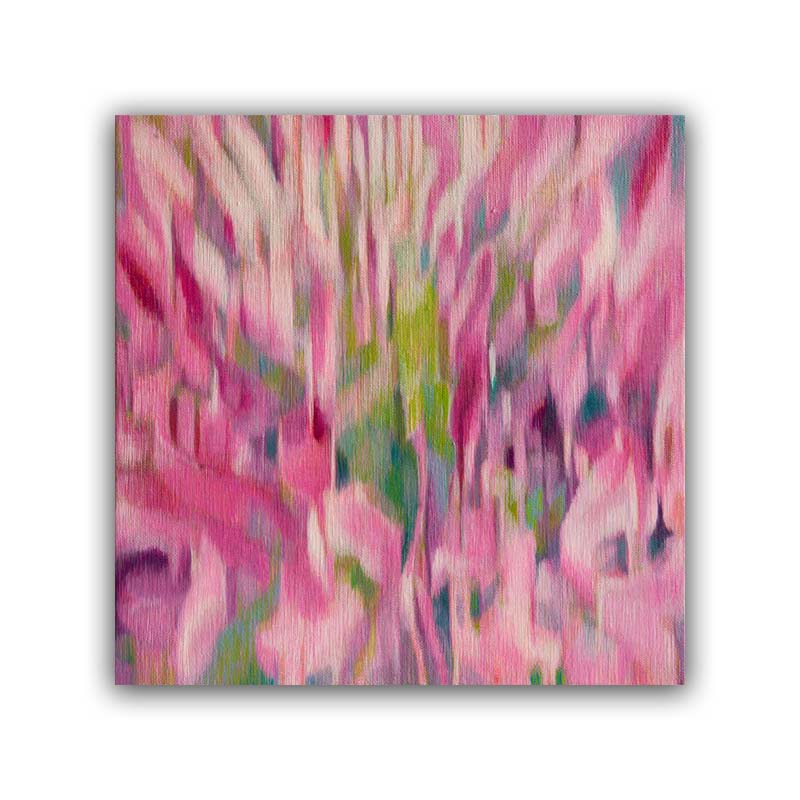
輪花
2017
oil on canvas
22x22cm
【お知らせ】
平成29年度 第2期所蔵品展 2017年7月15日(土)~10月1日(日) 休館日:8月7日(月)、9月4日(月) 観覧料:一般310(250)円、高・大・65歳以上210(160)円 谷内六郎館も観覧できます。( )内は20名以上の団体料金 ※以下の方は所蔵品展、谷内六郎館および企画展がすべて無料です。 ・身体障害者手帳・療育手帳・精神障害者保健福祉手帳をお持ちの方と付添1名様 ・中学生以下、高校生(市内在住または在学に限る)。
横須賀美術館
〒239-0813 横須賀市鴨居4-1
TEL:046-845-1211(代表)
http://www.yokosuka-moa.jp/
http://mobile.yokosuka-moa.jp/
*平成28年に個人所蔵者から横須賀美術館に寄贈された川田作品3点(『Memory of Sands』2005、『内なる自然』2010、『氷の誓い』2013)が平成29年3月に美術館所蔵作品となりました。3点の内、2点が展示中です。
「画家川田祐子のニュースレター」は、
応援して下さる方々に向けて、
毎月1回手動で配信するメルマガ・サービスです。
次号は10月20日の送信予定です。
YUKO KAWADA Official Site
http://kawadayuko.jp
English version
Painter Yuko Kawada’s Newsletter No.9
As the rainy summer comes to an end, my walks now lead me primarily to the town libraries. There are two libraries in town. One is located inside the Shinano Railway Naka-Karuizawa Station building, a 15-minute walk from my home. The other is slightly closer, situated atop a steep hill: the Hanareyama Library. Along the way, I enjoy watching mallow blossoms, cosmos, and thistles; upon returning home, I spend my days immersed in painting a Size 50 canvas. As the seasons change, I wish you all good health and well-being.
Painter Yuko Kawada
Hana Chihen (A Thousand Petals of Flowers)
2017
oil on canvas
91 × 116.7 cm
Artwork Details:Hana Chihen (A Thousand Petals of Flowers)
As September arrived, I placed poetry collections—which I had been distant from for a while—in a corner of my studio while working. Poetry spans endlessly across all ages and places. As I flipped through various books pulled from the library shelves, thoughts drifted through my mind: “Western poetry with grandiose translations feels somewhat embarrassing.”“Sentimental poetry from the Meiji and Taisho eras isn’t quite right either.” “Ryokan and Basho are wonderful, but cater to older tastes.” “Isn’t there something that celebrates vibrant life more beautifully?”
While searching, a line struck a deep chord in my heart—it was a classical Chinese poem by Bai Juyi (Po Chü-i):
池色溶溶藍染水。花光焔焔火焼春。
(“The water in the pond is abundant, its blue deep as if dyed with indigo; the blossoms on the trees shine so brightly, their red burning like fire across the spring sky.” — Translated from Shincho Nihon Koten Shusei)
Since the season didn’t quite match, I turned the pages of its source, Wakan Roeishu, discovering one resonant verse after another:
落花不語空辞樹。流水無心自入池。
(“Falling flowers say nothing, silently departing from the branches to scatter; flowing water holds no mind, flowing alone into the pond as it always has.” — Translated from Shincho Nihon Koten Shusei)
Reflecting upon myself writing unnecessary autobiographical notes, I paused in self-examination (laughs).
And then:
風翻白浪花千片。雁点清天字一行。
(“When the wind flips the white waves, they appear like a thousand scattered petals; wild geese flying dotted across the clear sky resemble a line of characters written on blue paper.” — Translated from Shincho Nihon Koten Shusei)
There, nature is observed with pure selflessness, free from self-centered interpretations, depicting reality as it is. It grants the reader a minute, slow-motion gaze, unfolding a profound world of nature within very few characters.
Kind annotations feel almost intrusive; contemplating each kanji character and the unspoken connections between them becomes a deeply meaningful and delightful pastime.
Bai Juyi’s philosophy of “Chuin” (medium concealment / living in moderation). His character left us the word “Rakuten” (optimism), embracing relaxation in the present moment and accepting life’s unmanageable aspects positively. Introduced to Japan around the mid-9th century during his lifetime, his works exerted immense influence on Heian literature. The more I look into it, the more overwhelmed I am by its charm.
Creating this painting while reading Bai Juyi’s classical Chinese poetry, I humbly borrowed three characters from “風翻白浪花千片” (wind flipping white waves into a thousand petals) to title the work Hana Senpen.
Furthermore, sparked by the piece Suimenka created just before this one, I moved my brush in vertical strokes while keeping a horizontal line in mind to evoke the water’s surface, frequently rotating the canvas to check the horizontal orientation throughout the process.
Autobiography of Painter Yuko Kawada: Re-taking the High School Exam — My First Firm Resolve
My evening high school classmates included nurses, factory workers from automobile plants, a woman earning a living as a performer, as well as auto mechanics and daily construction laborers. Although I didn’t work during the day and felt somewhat out of place, everyone treated me warmly and kindly. However, as school hours began, darkness gradually fell, and walking home along pitch-black night roads left me feeling genuinely gloomy and depressed.
After about a month, seeking to ease my guilty conscience, I visited the faculty room at my former junior high school to ask if there was any daytime work available. They arranged a tutoring job for a female student who was taking a one-year medical leave from school. Rather than academic tutoring, her parents simply wanted someone to keep her company like a friend.
Up to that point, a semblance of surface stability was forming. However, the teacher who arranged the job turned out to be quite untrustworthy in hindsight—frequently inviting me to coffee shops and driving me around—and strange rumors quickly began to spread. Triggered by this incident, I realized once again how fragile my existence was, having earned no trust from anyone.
What is my true worth? I had never pondered that question so deeply before or since.
“If I were in the worst imaginable situation—unable even to attend high school, abandoned by my family, and cast out into society with nothing—what could sustain my life? By what means could I earn people’s trust or have my existence recognized?” I stood in a predicament where I couldn’t help asking myself these questions.
The answer I arrived at back then was: “Right now, I must study with utmost seriousness and refine myself. Studying is the only way to restore my reputation.” Pushed to rock bottom, I felt a genuine, deep-seated desire to elevate myself.
It became my very first major life decision. From then on, setting aside superficial arrangements like tutoring, I shut myself in my room from morning onward, studying from scratch everything I had neglected during my three years of junior high school. I reflected step-by-step on how things had turned out. What became clear through this process was that I hadn’t grasped the core purpose of why I was studying in the first place. Gradually, a goal emerged: “I want to live freely, unbound by family, high school, or societal expectations.” Reversing the steps needed to reach that goal, I concluded that I should retake the high school entrance exams for a top-tier school. It was a realization and resolve I reached entirely on my own, without anyone’s prompting or questioning.
By then, summer had passed, leaving very little time before the exams. I studied relentlessly, yet struggled to find an efficient study method. Just as I began to feel discouraged, perhaps through divine intervention, I noticed a consistent pattern while analyzing past exam questions. Suddenly, I was able to predict and create the exact types of problems that would appear on the upcoming exam, gaining a tangible sense of confidence.
I immediately consulted my former homeroom teacher and, a year late, retook the entrance exam for the most academically challenging high school in the region—the school I truly wished to attend.
On exam day, an unexpected problem appeared in the mathematics section. My mind went blank for a moment, and I felt as though I might faint. Yet that momentary shock seemed to work in my favor; my head cleared remarkably, allowing me to solve it. I exerted power that surprised even myself. After having viewed exams cynicism before, I felt genuine joy at approaching the test with a straightforward mindset.
The result was a pass. I later heard that my score was nearly perfect.
That experience has served as a long-standing pillar of mental support for me, even to this day. Believing in oneself is extraordinarily difficult, yet falling into a crisis back then granted me an experience that built immense confidence. It taught me that failures in life carry profound meaning that one must realize at the time, and that by overcoming them, a failure ceases to be a failure.
Yet that immense joy and hope were destined to fade all too quickly.
(To be continued in the next issue)
Reader Feedback
I received a letter from a reader who went to view the works acquired by the Yokosuka Museum of Art, which I would like to share:
“I viewed ‘Inner Nature’ and ‘Memory of Sands’ at the Yokosuka Museum of Art. In connection with the special exhibition, works related to the sea were on display.
—omitted— Displayed in a spacious area with high ceilings and bright natural light, the impression of ‘Memory of Sands’ was quite different compared to a small gallery room. It dissolved seamlessly into the space. Since the permanent feature was an extraordinarily vivid knitting piece, your works provided a fine balance—a most welcome addition for the curator in charge. I plan to visit the special exhibition in September as well. —omitted—”
To HK, who sends feedback for every newsletter and kindly shared news of the exhibition layout: thank you very much!
I haven’t been able to visit yet myself, but if even a single artwork sells, I hope to go see it.
With only about 10 days remaining in the exhibition period, I deeply appreciate your continued support.
Recent Activity
In connection with Hana Chihen mentioned at the beginning, I completed three small pieces:
Hana no Arabesque (Arabesque of Flowers)
2017
oil on canvas
33.3 × 24.2 cm
Suimenka (Water Surface Flower)
2017
oil on canvas
27.3 × 22 cm
Rinka (Ring Flower)
2017
oil on canvas
22 × 22 cm
News & Announcements
FY2017 Permanent Collection Exhibition II
July 15 (Sat) – October 1 (Sun), 2017
Closed: August 7 (Mon), September 4 (Mon)
Admission: General 310 yen, High School/University/Over 65: 210 yen
(Includes access to Taniuchi Rokuro Pavilion)
Free admission for junior high students and younger, disability certificate holders with one attendant.
Yokosuka Museum of Art
4-1 Kamoi, Yokosuka City, Kanagawa 239-0813
TEL: 046-845-1211http://www.yokosuka-moa.jp/
Three works donated by a private collector in 2016 (‘Memory of Sands’ 2005, ‘Inner Nature’ 2010, ‘Oath of Ice’ 2013) officially entered the permanent collection of the Yokosuka Museum of Art in March 2017. Two of these works are currently on display.
“Painter Yuko Kawada’s Newsletter” is a monthly newsletter service manually sent on the 1st of every month to supporters and patrons.