
日本語
画家川田祐子のニュースレター@No.5
4月は花の季節。長野ではさまざまな花が一斉に咲きはじめました。梅、木瓜、桃、桜、杏子…、今は山桜が散り、ハナミズキが満開です。
私の人生にもひとつの変化が訪れようとしています。長野に越してから5年半が経ち、長野市の環境にようやく溶け込んでおりましたが、この6月1日から、突然軽井沢町に引っ越すことに致しました。
5月は新緑の季節。新しい生活に向けて、楽しい準備がはじまりました。皆様も、どうぞ良い天気の続くGWをお楽しみ下さいますように。
画家 川田 祐子
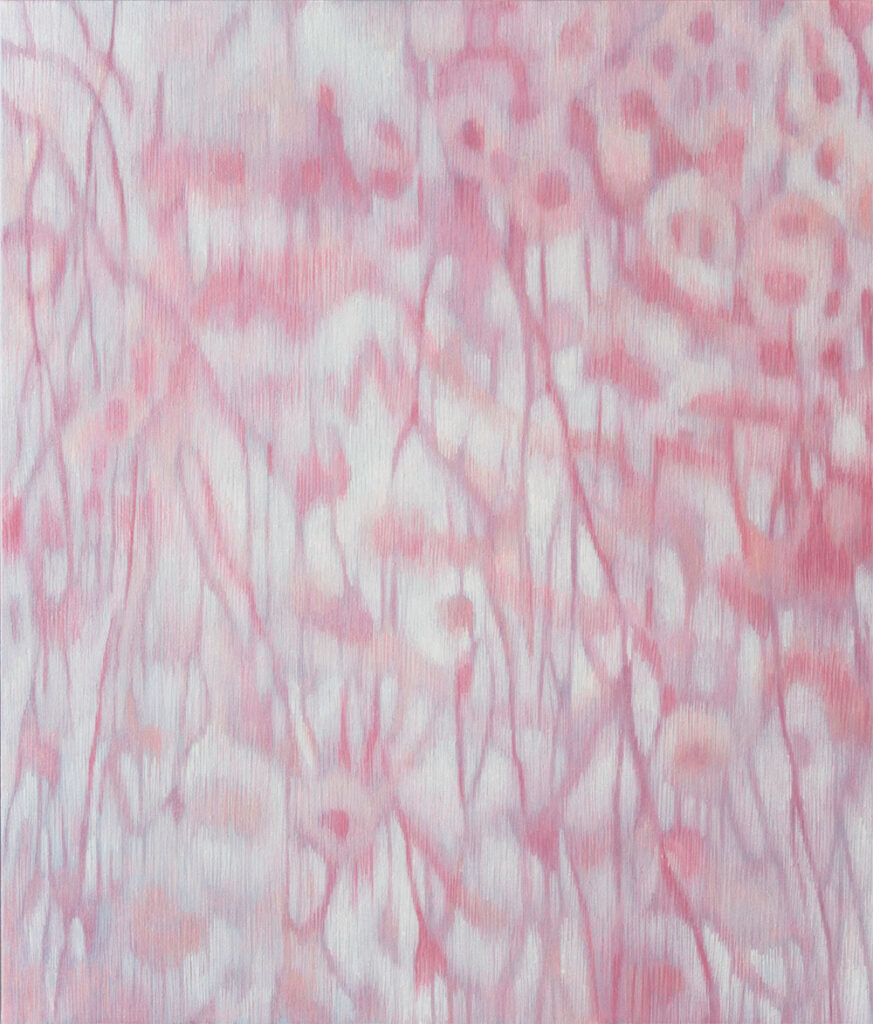
桜陽(おうよう)
2017
oil and egg tempera on canvas
45.5x53cm
SOLD
作品「桜陽」
先月号のご感想の中に、「川田さんの描く桜が見たいです。」という一文がありました。最近の私は、何でも受け入れると決めているので、「そうですね、挑戦してみます」とお返事を書きました。とは言うものの、正直な話、これまでの私の制作のルールには、最初に具体的な構想がないのが常でした。ところがこの長野に来てから、少しずつそのルールを自分で崩し始めています。
なぜそもそも具体的な構想をせずに描くのかというと、見る人それぞれが見たいものを見る幅をつくっておきたいからです。はっきりとしたものがない方が、いかようにも見れる可能性が広がります。ところが、長野に来て気がついたのは、空にしても、雲にしても、具体的な形の中にも、人々は自分の心を投影することができるということでした。「花は桜…」という言葉がありますが、逆にさまざまな花を受け入れる「花」というものが描けたら、そう思うこともあるのです。
制作の合間に、ふと思い出したのが、昔話の『花咲か爺さん』。 「枯れ木に花を、なぜ咲かせることが出来たのだろうか?」と、話を思い返してみると、ポチが「ここ掘れワンワン」と教え、お爺さんは、素直にポチの声に耳を傾ける性質と関係がありそうでした。私なりに、このポチを例えば「直感」とか「本能」の寓意ととらえてみることにしました。一方で、いじ悪爺さんは、ポチを無理強いさせて、最後には殺してしまいます。自分本位の「欲」の虜になって、本来自分が持っている「本能」や「直感」を殺してしまっているという喩えなのでしょうか?
最初の出だしに戻りましょう、「川田さんの描く桜が見たいです」と予期せず送られて来た一文は、この場合、ポチの「ここ掘れワンワン」です。ところが、制作途中で、これが本当に「桜」であるのかすら、自分でもよくわからなくなりました。ここで、「桜」にしなければと無理強いするのは「欲」というものです。むしろ、「はっきりと桜にならないところが私らしくていいのではないか?」そう正直に自分らしさを認めることにしました。
『花咲か爺さん』のお話の結末には、花が咲きます。私の幼い頃に持っていた絵本では、それは満開の桜として描かれていたのでした。ポチの遺灰すら花に変化させてしまう花咲か爺さん。昔話の深層を読み解きながら、この作品を楽しんで頂けましたら幸いです。
画家川田祐子自伝:父の病気と叔母への憧れ
「お父さんが大学で教えることになるかもしれない、という話はダメになったのよ…。」母は、そのこと自体が辛いというよりも、親戚にどのように説明したら良いかで悩むのでした。いろいろな大義を並べてお金を借りて建ててしまった家。そのやりくりに、父が書道教室をはじめ、夏には私の部屋が、今流行の「民泊」として使われるようになりました。人が出入りするようになり、落ち着かなくなった家の中で、私は次第に父と母の暗い顔色を伺う子供になっていました。
そのうちに、父は腰が痛い、肩が痛いと、体調を崩し始めました。そしてその治療のために健康食品や健康グッズの爆買いがはじまったのです。それが治まると、次には、海でいろいろなものを拾ってきてしまう病気が始まりました。拾ってきた流木や石を工具で磨いてピカピカにして、家中に置き始めました。その次には骨董屋通いが始まって、焼き物や民芸家具、置物をコレクションし始めました。毎日、家族は柳宗悦の「民芸論」からの孫引きの話を聞かされ続けました。
それが治まると突然、中庭を眺めることのできる渡り廊下に大きな水槽が置かれて、次々と金魚がコレクションされて行きました。毎日水槽の手入れに夢中になる父は、子供ながらに普通の父親像とはちょっと違うように思えたものでした。神経質に水を取り替え過ぎて、次々と金魚が病気になり、やがて死んでしまうのでした。
デパ地下に行くと、到底家族では食べ切れそうにないほどの食べ物を買って来てしまう父。どこにそんなお金があるのか、高額な硯がコレクションされて行き、250万円の手鑑(書家の手本)を買うというところで、夫婦喧嘩が大爆発しました。両親に挟まれて、子供ながらに居心地の悪い状況が続きました。
ある時、私は意を決して、父宛の封筒を仏壇に置いたのでした。「お父さんへ、このお金を使って下さい。ゆうこより」手紙と一緒に、貯金していた3千円を入れました。しかしそのお金は、次の日にショートケーキと鰻に化けてしまったのでした。(ケーキや鰻を食べたいわけではない、喧嘩をやめて欲しいのに…) しかし私のささやかな願いは、なかなか両親には伝わらないのでした。
そんなへんてこな日常に、それでも少しだけ心が和むこともありました。それが、小学3年生の春休みに行った岡山、倉敷への家族旅行でした。親孝行を理由に、母方の祖母を誘い、ついでに九州に嫁いでいた母のすぐ下の妹、私の叔母にあたる人と現地で合流しての長旅でした。母は倉敷の街並みを楽しみ、父は骨董店を訪ね歩いて、薄桃色に斑が浮かぶ萩焼きの魅力に取り憑かれました。そして中でも、私の記憶に鮮明に残っているのは、大原美術館で、叔母の解説付きで絵画を鑑賞したことでした。
当時叔母は、教育大学を卒業後に美術の先生をしていたのです。ハキハキと歯切れの良い通る声で、私に展示解説をしてくれるのでした。
「ゆうこちゃん、この部屋にはたくさんの油絵具で描いた風景画があるでしょ。その中でも、この作品は、他の作品とは違う色彩感覚を使っているのよ。『シキサイ・カンカク』って言葉、わかる?」
「しきさい・かんかく?」
「シキサイというのは、色のこと。カンカクというのは感じ方っていう意味。色の使い方が、他のどの作品とも違うの。何が違うかわかる?」
私は展覧会場をぐるっと見渡して、「緑色を使っている作品が多いけど、この作品は、あまり使っていないということ?」と聞いてみました。
「それは色の種類について感じたことを言っているのよ。色にはその他に、明るさ暗さの区別や鮮やかさや鈍さの違いもあるのはわかる? それを明度、彩度という言葉で表わすの。この作品は、他と比べて暗い? 明るい? 鮮やか? 鈍い?」
「とても明るく感じる。でも鮮やかではないよね。こういうのを鈍いというの?」
「そうね、明るいけどギラギラした感じはないわね。どうしてそういう色を感じるのかしら? この絵を描いた人は他の人とは違う絵具を使ったのかしら?」
「う〜ん、わからない。」
「ちょっとむずかしいかな(笑) 答えを言うね。この作品は、どの色にも白色を混ぜて描かれているのよ。そうすると、明るい作品になるけど、はっきりとした感じはでなくて、おだやかな景色になるでしょ。そこがいいところよね。美術館でいろいろな絵を見比べるのって、楽しいね〜。」
私は、満面の笑顔で叔母を誇りに思い、内心、正解を答えられなかったことに少々悔しさも感じながらも、幼いながらに、ますます美術が面白い、と心の底から感じられる貴重な経験をすることが出来たのでした。そして、叔母に対する眼差しは、やがて尊敬の念に変わって行くのでした。
思えば、このことがきっかけで、やがて私自身が美大へ進むことになったのかもしれません。しかし、その道は、決して真っすぐで平坦な道ではなかったのです。(次号へつづく)
近況
引っ越しのきっかけは、いろいろな事が重なっていますが、今よりも家賃が安い物件がたまたま軽井沢に見つかったのが、事の始まりでした。
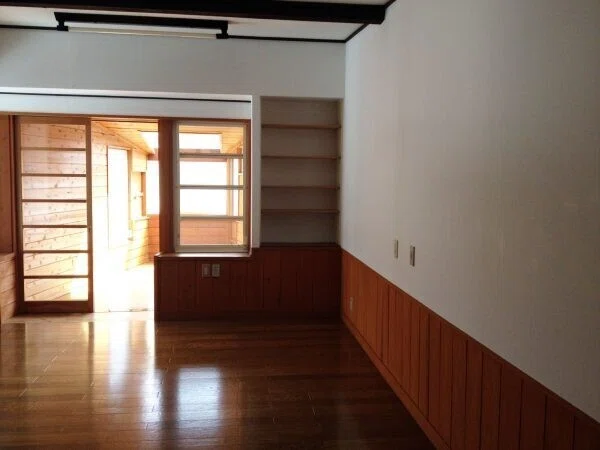
最初はほんの冷やかし程度に物件を見学しに行ったわけですが、実際に中に入ってみると、築28年の物件にしては傷みがなく、漆喰壁と板壁、板床、天井窓のあるサンルーム、檜壁のバスルーム、そして場所によっては270cmの天井高がある等々魅力満載で、その日のうちに即決。あれこれ探したり、比較して決めるということは、今回しませんでした。
「一番最初にピンと来た」この自分の感覚を信じてみることにしたのです。
「いろいろ比較して一番良いものを選びたい」と人は良く言います。以前の私も同じでした。しかし最近の私は、ちょっと違う考え方ができるようになりました。
家にしても、人間関係にしても、作品にしても。実際に経験してみないと、それが自分にとってベストかどうかは、最後の最後までわからないものです。選択を先送りにしていては、いつまでたっても前に進まない。保身に回ってしまって、自分の可能性を広げられないと考えるようになりました。
もし今の自分に与えられたチャンスがあるのなら、まずは受け入れて、その運命に賭けてみる。 そこから自分でも想像し得ない、新しい扉が開くことでしょう。そしてその先にまたベストなものが与えられたのなら…、また新しいものを選択すれば良い。贅沢とは案外こういうことなのかもしれません。
今回の引っ越しは、自分の所持品を最小限にする、という強い決意があるため、所持品の処分も大変な作業です。メルカリ、ヤフオク、アッテとさまざまなツールを使ったり、また心当たりのある方にはご連絡して、さまざまなものを活用して頂くべく、お力添えをお願いしているところです。
新作
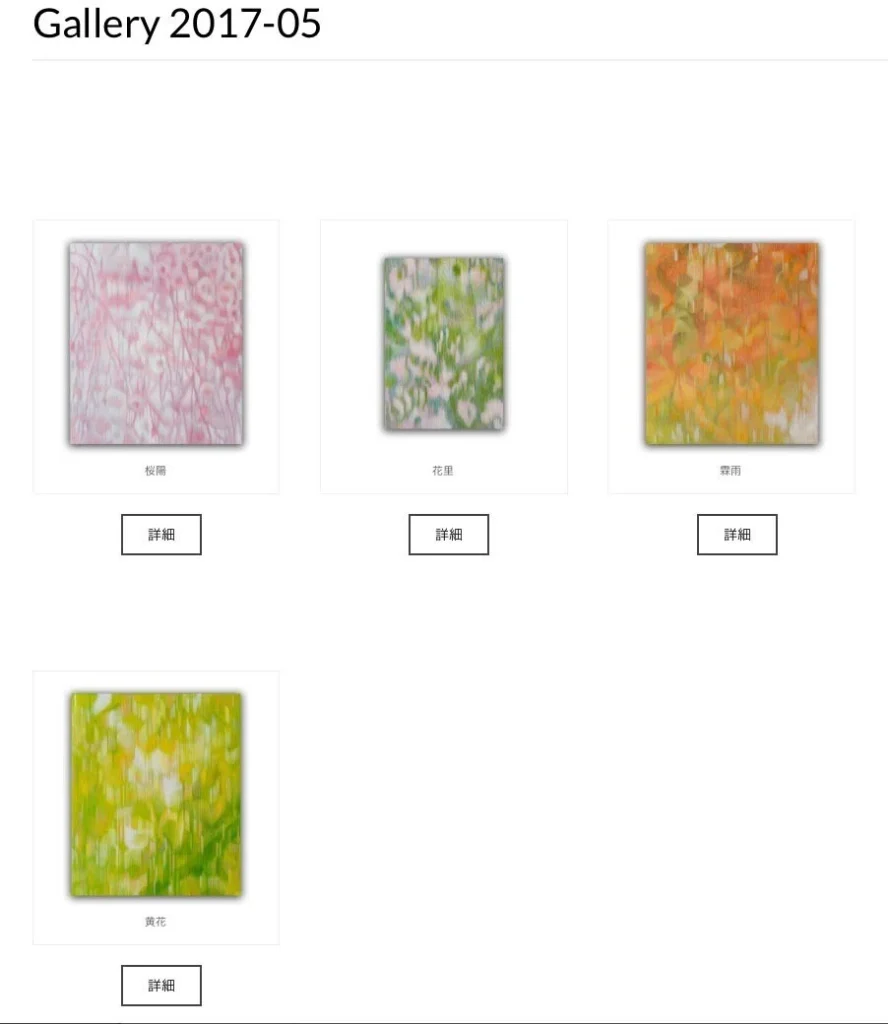
4月は、引っ越しの準備を進める中、4点制作する事が出来ました。ご興味のある方は、下記サイトでご覧下さい。大作は縦長を予定しているため、天井高の高い新転地で手がける予定です。
追記:今回は、Q&Aコーナーはお休みしました。次号は、新アトリエをご紹介する特集を予定しております。
「画家川田祐子のニュースレター」は、
応援して下さる方々に向けて、
毎月20日に手動で配信するメルマガ・サービスです。
次号は6月20日の送信予定です。
YUKO KAWADA Official Site
http://kawadayuko.jp
English version
Painter Yuko Kawada’s Newsletter No.5
April is the season of blossoms. Here in Nagano, various flowers have burst into bloom all at once—plum, flowering quince, peach, cherry, apricot… Now, the mountain cherry blossoms have fallen, and the dogwood trees are in full bloom.
A transition is about to arrive in my own life as well. Five and a half years have passed since I moved to Nagano, and I had finally settled fully into the environment of Nagano City; however, as of June 1st, I have decided to suddenly relocate to Karuizawa.
May is the season of fresh greenery. Delightful preparations for a new life have begun. I wish you all a wonderful Golden Week filled with pleasant weather.
Painter Yuko Kawada
“O-yo” (Cherry Sunlight / Sakura Sunlight)
2017
oil and egg tempera on canvas
45.5x53cm
SOLD
Artwork Details:
“O-yo” (Cherry Sunlight / Sakura Sunlight)
In the feedback for last month’s issue, one reader wrote: “I would love to see a painting of cherry blossoms by Ms. Kawada.” Lately, having resolved to accept whatever comes my way, I replied: “Yes, I will give it a try.” Truth be told, however, my usual creative process lacked any concrete initial plan. Yet since coming to Nagano, I have gradually begun breaking that rule myself.
Why did I avoid concrete plans in the first place? Because I wanted to leave room for each viewer to see whatever they wished to see. Without clear shapes, the possibility of interpretation expands freely. Upon moving to Nagano, however, I realized that whether looking at the sky or clouds, people can project their own hearts even into concrete forms. There is an old saying, “Among flowers, the cherry blossom…”, but I sometimes wonder if I could paint a “flower” that encompasses all kinds of blossoms.
In between painting sessions, I unexpectedly recalled the classic folktale Hanasaka Jiisan (The Old Man Who Made Withered Trees Blossom).
Asking myself, “How was he able to make flowers bloom on dead trees?”, I reflected on the story and realized it was tied to the old man’s gentle nature—how he listened so trustfully when Pochi the dog signaled, “Dig here, woof woof!” In my own way, I decided to view Pochi as an allegory for “intuition” or “instinct.” On the other hand, the greedy old neighbor forced Pochi to dig, eventually killing him. Is this an allegory for becoming a captive of self-serving “desire” and destroying the “instinct” and “intuition” we inherently possess?
Returning to where I started: that unexpected message saying “I would love to see a painting of cherry blossoms by Ms. Kawada” was, in this case, Pochi’s “Dig here, woof woof!” Yet in the middle of creating it, I became unsure whether this was truly a “cherry blossom” at all. Forcing it to become a strict “cherry blossom” would be an act of “desire.” Instead, I chose to honestly accept my true self, thinking: “Isn’t it very much like me that it doesn’t turn into an obvious cherry blossom?”
At the end of Hanasaka Jiisan, flowers bloom. In the picture book I owned as a young girl, they were depicted as cherry blossoms in full bloom. The kind old man even transformed Pochi’s ashes into blossoms. I hope you will enjoy this artwork while reading into these deeper layers of the old tale.
Autobiography of Painter Yuko Kawada: My Father’s Illness and Admiration for My Aunt
“The talk about your father teaching at the university fell through…” My mother suffered less from the reality itself than from worrying about how to explain it to our relatives. Our house had been built with borrowed money under various grand pretexts. To manage the finances, my father started calligraphy classes, and in the summer, my room was turned into what would nowadays be called a “short-term vacation rental” (minpaku). As strangers came and went, making the house restless, I gradually became a child who anxiously read the dark expressions on my parents’ faces.
Before long, my father began suffering from health issues, complaining of lower back and shoulder pain. To treat them, he began buying health foods and gadgets in bulk. Once that subsided, he developed a compulsion to pick up random objects by the sea. He polished washed-up driftwood and stones with tools until they sparkled, placing them all over the house. Next came frequent visits to antique shops, where he started collecting ceramics, folk furniture, and ornaments. Every day, our family was forced to listen to his second-hand lectures on Yanagi Soetsu’s Mingei (Folk Crafts) theory.
When that passed, a large fish tank was suddenly placed in the hallway overlooking the inner courtyard, and goldfish were collected one after another. Watching him obsessively tend the tank every day, I thought as a child that he seemed somewhat different from a typical father. Changing the water too obsessively, the goldfish fell sick one by one and eventually died.
In department store basements, he would buy far more food than our family could ever finish. Where did the money come from? Expensive inkstones gathered in his collection, and when he was about to purchase a 2.5 million yen tegami(calligraphy masterwork model book), a massive argument erupted between my parents. Caught between them, I felt constantly uncomfortable as a child.
One day, gathering my courage, I left an envelope for my father at the Buddhist altar. “To Father: Please use this money. From Yuko.” Along with the note, I put in 3,000 yen I had saved. The very next day, however, that money was transformed into shortcakes and eel. (I didn’t want to eat cake or eel—I just wanted them to stop fighting…) But my modest wish failed to reach my parents.
Yet even in such an eccentric everyday life, there were moments that brought a touch of peace. One was a family trip to Okayama and Kurashiki during the spring break of my third year in elementary school. Under the pretext of filial piety, we invited my maternal grandmother, and met up on-site with my mother’s younger sister—my aunt who had married and moved to Kyushu—for a long journey. My mother enjoyed the streets of Kurashiki, while my father wandered antique shops, captivated by the charm of Hagi ware with pale pink flecks. Among all this, what remains vivid in my memory is viewing paintings at the Ohara Museum of Art with commentary from my aunt.
At the time, my aunt was an art teacher after graduating from an education university. In a crisp, clear, carrying voice, she explained the exhibition to me:
“Yuko-chan, there are many landscape paintings created with oil paint in this room, right? Among them, this piece uses a different sense of color from the others. Do you know what the words ‘sense of color’ mean?”
“Sense of color?”
“Color refers to the hues. Sense means the way you feel them. The way colors are used here is different from any other work. Can you tell what’s different?”
I looked around the exhibition room and asked, “Many paintings use green, but this one doesn’t use much?”
“That’s what you felt about the types of colors. Besides hue, do you know that colors also have distinctions in lightness and darkness, or brightness and muteness? We express those with the words ‘value’ and ‘saturation.’ Compared to others, is this work dark? Bright? Vivid? Muted?”
“It feels very bright. But it’s not vivid, right? Is this what you call muted?”
“That’s right. It’s bright, but not glaringly harsh. Why do you think it feels that way? Did the artist use different paints from other people?”
“Hmm… I don’t know.”
“Maybe it’s a bit difficult (laughs). I’ll tell you the answer: in this work, white paint was mixed into every single color. That makes the painting bright, but instead of looking sharp, it creates a gentle landscape, right? That’s what makes it wonderful. Comparing different paintings at a museum is fun, isn’t it?”
With a beaming smile, I felt so proud of my aunt. Though slightly frustrated that I couldn’t answer correctly, even as a young child I experienced a precious moment that made me feel from the bottom of my heart how fascinating art truly is. My view of my aunt soon transformed into deep respect.
Looking back, this experience may have been the catalyst that eventually led me to art university. However, that path was by no means straight or smooth… (To be continued in the next issue)
Recent Activity
The relocation was triggered by various overlapping circumstances, but it all began when I happened to find a property in Karuizawa with lower rent than my current place.
At first, I went to view the property half out of curiosity. Stepping inside, however, I found that despite being 28 years old, it showed little wear and was full of charm—plaster and wooden walls, wooden floors, a sunroom with ceiling windows, a bathroom lined with cypress, and ceiling heights reaching 270 cm in places. I decided on the spot that very day. I didn’t spend time searching around or comparing options.
I decided to trust my own intuition: “This felt right at first sight.”
People often say, “I want to compare options and pick the best one.” I used to feel the same way. Recently, however, I have come to think differently.
Whether regarding houses, relationships, or artworks—unless you actually experience it, you will never know until the very end if it is best for you. Postponing choices prevents you from moving forward. I began to feel that playing it safe restricts one’s own possibilities.
If an opportunity is presented to me now, I choose to accept it first and bet on that destiny.
From there, new doors beyond imagination will surely open. And if something even better is granted down the road… I can simply make a new choice then. Perhaps true luxury is something like this.
Because I am firmly resolved to minimize my possessions for this move, disposing of belongings is a major task. I am utilizing various platforms such as Mercari, Yahoo! Auctions, and Mercari Atte, while reaching out to acquaintances to ask for their help in giving these items new life.
New Works
In April, amidst moving preparations, I was able to complete four pieces. If you are interested, please view them on the site below. Since my next large-scale work is planned to be vertical, I intend to undertake it in my new space with high ceilings.
P.S. The Q&A section is taking a break this issue. Next issue is planned to be a special feature introducing the new studio.
“Painter Yuko Kawada’s Newsletter” is a monthly newsletter service manually sent on the 20th of every month to supporters and patrons.
← Return Issue: Newsletter No.4