
日本語
画家川田祐子のニュースレター@No.11
よく晴れた朝、空から雨のように落葉がありました。 軽井沢でよく見かける落葉針葉樹のカラマツでした。 傘なしでは歩けないほどの勢いでしたが、しばらくして止んだので、外を歩いてみると、これまで豊かな雑木林が、すっかり空き地になっていて、遠くの景色まで見渡せるようになっていました。 これまで隠されていた細かい枝ぶりが、青空の下で銀色に光っているのでした。 余計なものが剥ぎ落とされて、風通しがよくなり、静かな冷え込みが訪れるようになって来ました。
私は、しばらく寒さに慣れずに軽い風邪をひきましたが、鼻づまりの次に右耳が詰まりましたので、しばらくドローイング制作に力を注ぐことにしました。 銀色に光る枝々に触発されて、引き出しの奥に忘れかけていた銀筆を取り出しました。 11月から毎日1枚くらいのペースで書き溜めました。 チャコールやパステルなども併用しながら、鉛筆とは違う不自由さや柔らかな線描の色味を楽しみました。 おかげさまで制作しているうちに、やがて風邪は左耳に抜けて消えてしまいました。
今年の冬は厳しいようです。どうぞ皆様もご自愛くださいませ。
画家 川田 祐子
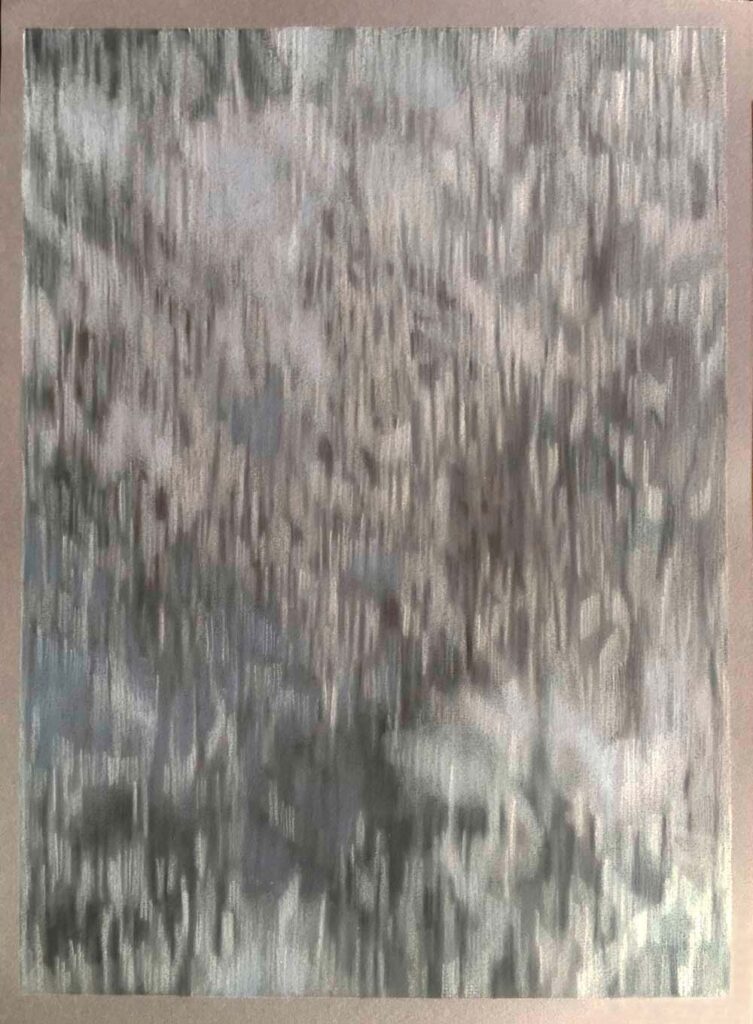
落葉の森
2017
silverpoint / pastel
prepared paper (canson mi-teintes)
画: 35.2×25.5cm
紙: 37.6×27.4cm
ドローイング作品『落葉の森』
ドローイングには、木炭やチャコール、コンテ、鉛筆、ペンなどの描画材が使われますが、鉛筆が開発される前は、棒状の銀や金、鉛、銅などを、前もって白い顔料を塗り込んだ紙(=prepared paper)に押し当てて素描することも行われていました。
銀筆やprepared paperは、日本の一般的な画材店では扱っていないので、自作しなければならず、少し面倒です。それでも、そこからまた新しい世界が広がるかもしれないと思うと、ちょっとした手間と工夫を惜しむわけにはいきません。
11月は、風邪と冬枯れの木々に後押しをしてもらって、主にシルバーポイントでのドローイング制作に集中することができました。
以前、ワシントンのナショナル・ギャラリーで『銀と金のドローイング レオナルド・ダ・ヴィンチからジャスパー・ジョーンズまで』という展覧会があったようで、おおよその内容がプロモーション・ビデオにまとめられていて、今はYouTubeの動画で見られるようになっています。
アメリカの現代美術の動向の中に、古典技法を復活させて、現代の作風に取り入れようとした例は様々にあり、例えばジャスパー・ジョーンズは、シルバーポイントだけでなく、エンカウスティックという蜜蝋画なども残していて、興味が尽きません。時代の取り残し、やり残したことが、まだまだあり、その可能性は計り知れないように思えてなりません。
可能性、と頭ではいろいろ考えるわけですが、日頃から様々な描画材に触れて、自分なりの新しい描法を見つけながら、いろいろなドローイングを沢山残すことができれば…。それは私のささやかな夢のひとつですが、今回その夢に続く道の入り口が見つかったような気がしています。
【画家川田祐子自伝】部活動ー自分の心からしたいこととささいな嘘
誰もがそうなのでしょうか? 確かめたことはないのだけれど、自分に嘘をつくと私の場合ろくなことになりません。この話は、今振り返るに、そのことを身にしみて気がつく経験への、何気ない一つ目の布石となったのでした。
私は、その横須賀の街の片隅にある画材店の木箱入りの絵の具セットを、どうしても欲しいと心の底から感じたのですが、それを手に入れるために、両親の理解が不可欠でした。そのためには、少しずつの脚色が混ぜられていきました。
真正面から言う勇気と自信はありませんでした。なぜ勇気がなかったのか? 親の意見には絶対に服従するという、見えないルールがあると勝手に思い込んでいたからです。でもそのようなルールを親に強制されていたわけではありません。いつの間にか、自分自身を見えない鎖で縛っていただけなのです。そうして、親の意見になるべく応えようとし、自分を欺きながら折り合いをつけるという生き方になってしまっていたのでした。
私は貯金を下ろして絵の具セットを買うと言い出したことに、怪訝な顔の父と母にこう言うことにしたのでした。
「画家になるわけでも、芸大を受験するわけでもないけれど、一生の趣味として油絵を描くことにしたから….」
父は、二つの条件を出して許可したのでした。一つは勉強の妨げにならないようにすること。もう一つは、「油絵の具は匂いが気になるので、家の外ですること。」ということでした。
部室のロッカーに入れたままの真新しい絵の具箱を、夜寝る前に目をつむってから思い出すのは辛いことでした。部室でも少々違和感のある存在になりました。私だけ受験とは関係のない作品を描き始め、話も足並みも揃わなくなりました。次第に人のいない時に絵を描くようになり、部員が来ると文芸部の部室に行って、文集作りを手伝うようになりました。
文芸部は、毎月『まほろば』という月刊誌を発行していましたが、茶色の藁半紙に手書き原稿の謄写印刷で、とても地味なものでした。私は定時制時代に、その冊子が教室の片隅のゴミ箱に捨てられている時から、その存在を知っていて、機会があったら、その表紙のデザインに関わりたいと思っていたのです。
当時の印刷は、薄いブルーの格子が印刷された専門の紙に、鉛筆で文字や挿絵などを書き込み、職員室にある謄写機で原紙を作り、その原紙を輪転機に取り付けて印刷するという方法でした。校内の印刷物は、全てこの方法で刷られていました。
自分の絵が毎月文集の表紙になるのは、当時の私にとっては、夢のようなことでした。まだ、コピー機もパソコンもプリンターも普及していない頃のことです。
私は小学低学年の頃は、自作のマンガを描いたノート、中学生の頃は自作の詩に挿絵を添えた絵本を作っては、友達にプレゼントしていました。それらは、贈り物でしたから、当然1点もののそれらは手元には残っていなかったのです。そういうわけで、それが複製出来るということが、当時の私の最大の関心ごとで、文芸部の文筆活動とも足並みが揃わないのでした。
描いた表紙には、教科書に掲載されている夏目漱石、芥川龍之介、川端康成、太宰治などの文豪の肖像を鉛筆の濃淡で克明に模写したものでした。とにかく鉛筆画が複製出来る、そのことに時間を忘れて夢中になりました。しかし肝心な自分の文章となると、全くのシュールな世界で、読んだ人たちが何も感想を言えないようなものでした。従って、文芸部中でも孤立してしまい、やがて身の置き場がなくなり、複製技術もある程度経験して満足してしまったのか、部活から遠のいて一人野外でこっそり再び油絵を描くのでした。
やがて、その作品を見つけた部活の顧問が、市内のコンクールに出品するよう勧めて下さいましたが…。入選して市民会館に見に行ったところ、その場所や展示の雰囲気が、あまりにも私の想像とかけ離れていたために、かえってがっかりして落ち込み、絵を描くという目的が自分にとって一体何なのか? 答えの見つからないまま、大学受験や進路のことで、ますます頭を悩ますようになって行ったのでした。
自分を一度欺き始めると、まず自分を信じることができなくなりました。さまざまな少しずつの嘘が重なると、周囲に都合の良い自分と、本当の自分とが作られ始め、やがて自分の本当を生きられない人生がそこから始まったのでした。もちろん当時の私は、そのことに何も気がついていません。自分の思うように生きられなくなって、悩み悩んだ末に、ようやく気づいて行くことになるのです。
(次号につづく)
【制作の近況】
WINTER DRAWING
11月に入ってから14点のドローイングを制作しました。 ドローイングの目的は、ひとえに自分自身の可能性を知ることにあるので、A3のモレスキンのスケッチブックをスクラップブック代わりにして、これからも描きためていくことが大切と思いましたが、色味を抑えた作風を好まれる方々にお見せしたい気持ちもあって、webサイトでご紹介して販売することにしました。
1点1点は、A3のモレスキンのスケッチブックの糸綴じを外して、タトウにした中に軽く貼り付けをして保管して行くことにしました。自作のモレスキンの贅沢なスクラップブックの出来上がりです。これなら鞄に詰めて持ち歩き、見たい方がいらっしゃれば、気軽に持って出かけることが出来ます。
また、ドローイングをお部屋の中で長く楽しむためには、額装が必要ですが、以前住んでいた長野市の額縁屋さんに電話したところ、私が愛用して来た木製の額装を電話一本で送って下さるそうです。 直接見たい方、作品にご質問ご興味のある方は、是非気軽にメール宛にご連絡下さい。
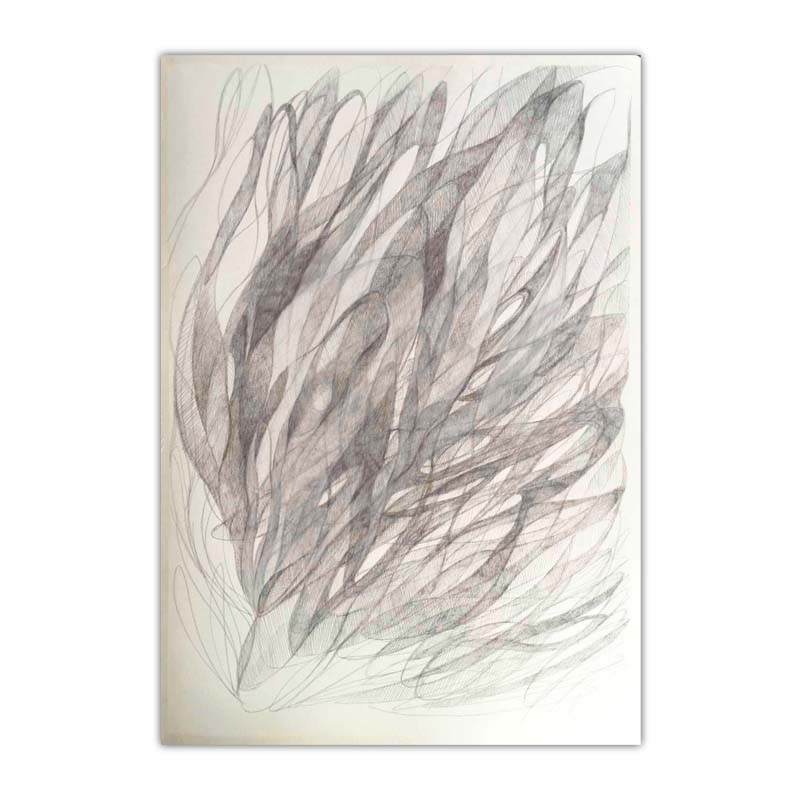
葉の残象
2017
silverpoint
prepared paper (moleskine sketchbook)
画: 42.0×29.7cm
紙: 41.0×28.7cm
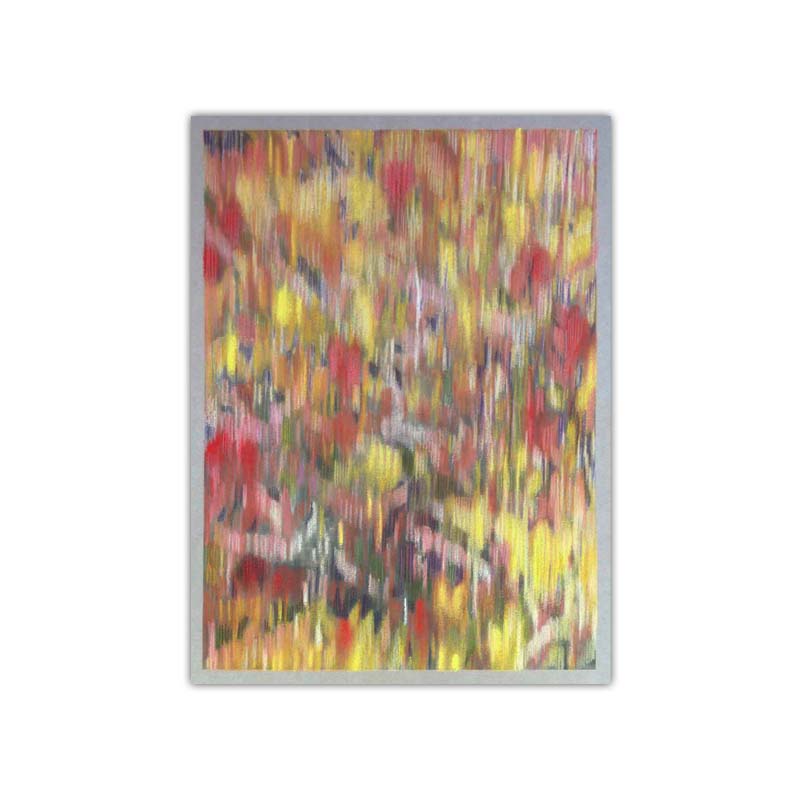
陽空地
2017
silverpoint / pastel
prepared paper (canson mi-teintes)
画: 27.1×19.7cm
紙: 28.7×21.3cm
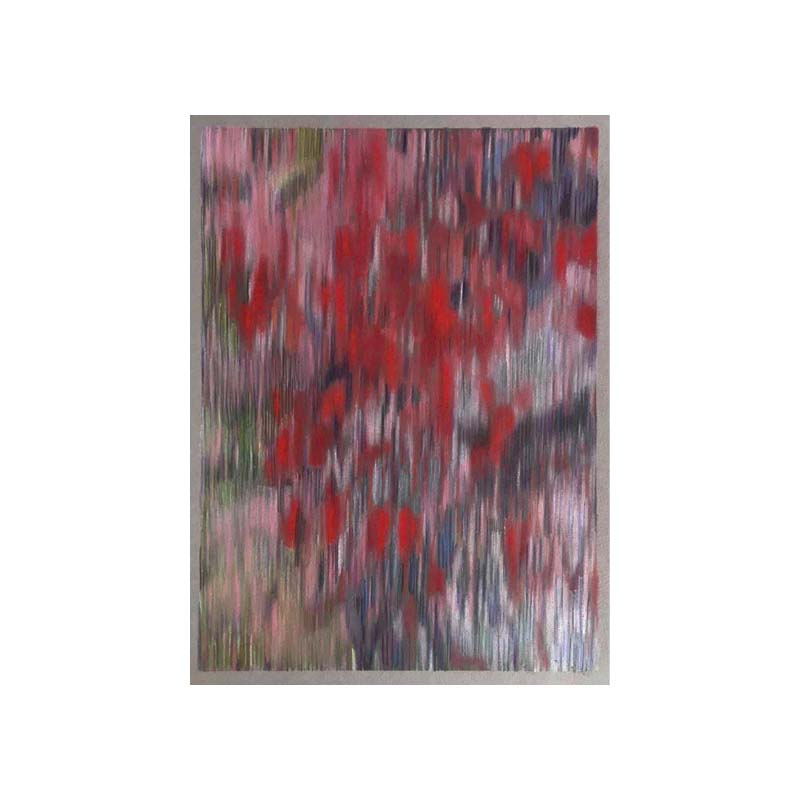
瞬赤
2017
silverpoint / pastel
prepared paper (canson mi-teintes)
画: 27.1×19.8cm
紙: 28.7×21.5cm
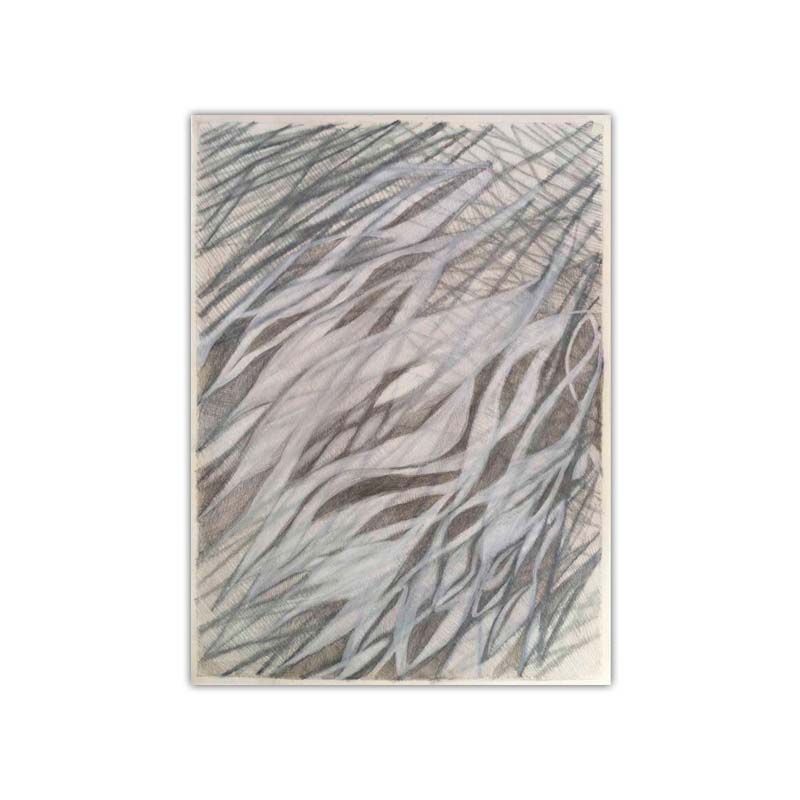
枝と風のエチュード
2017
silverpoint / conté
prepared paper (moleskine sketchbook)
画: 25.8×20.0cm
紙: 28.4×20.9cm
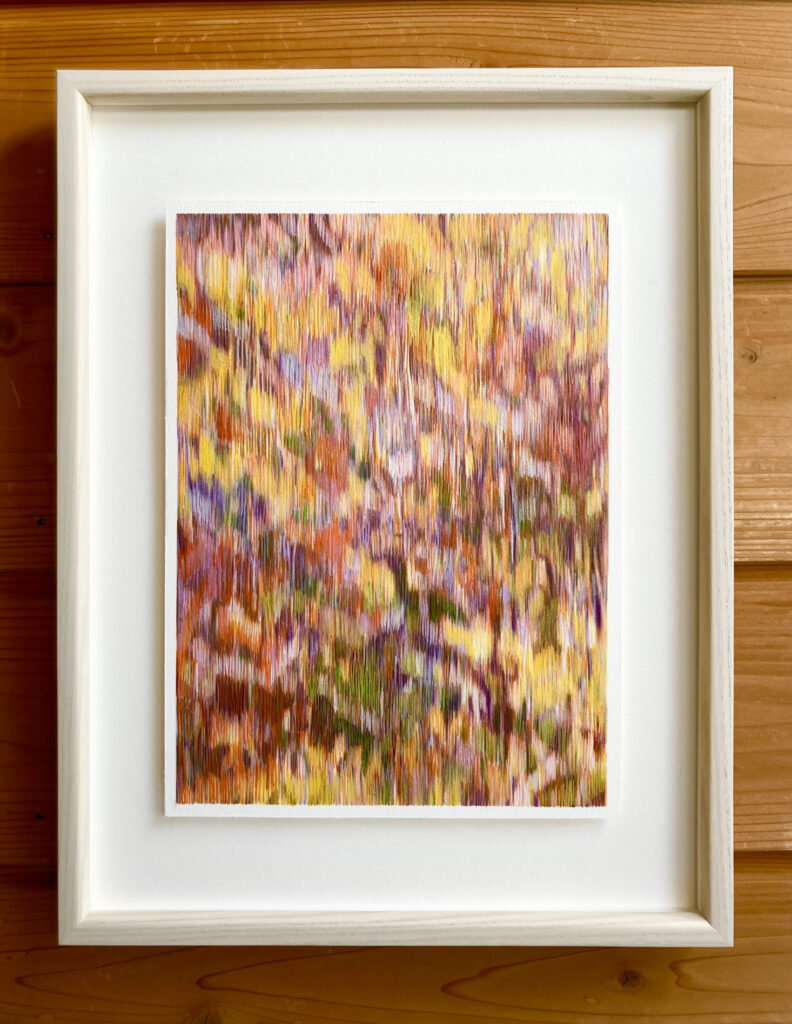
陽だまりの森
2017
oil on prepared paper
画: 27.0×19.5cm
紙: 31.0×23.0cm
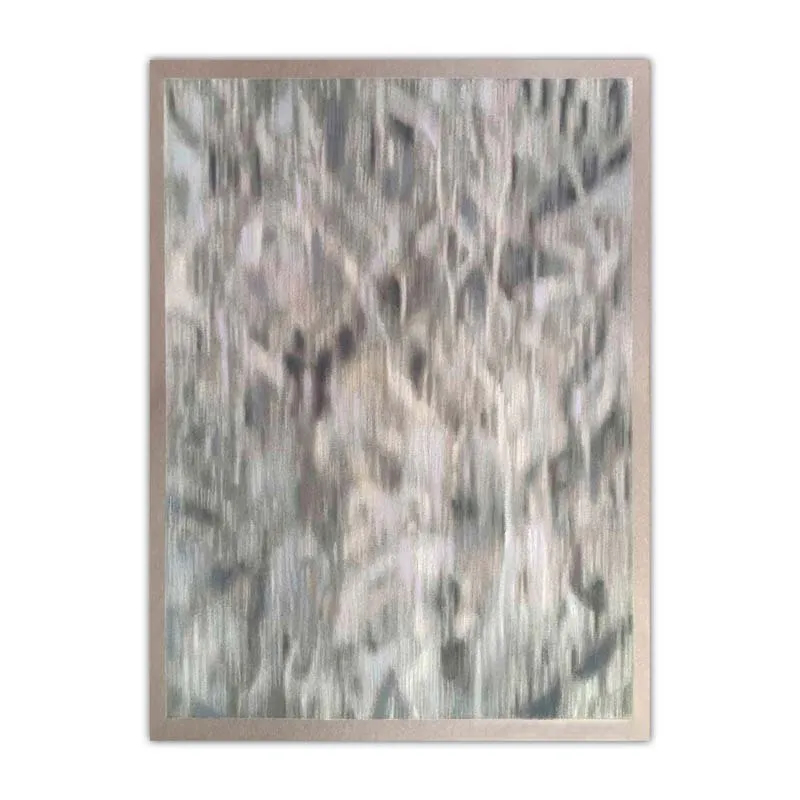
冬樹
2017
silverpoint / pastel
prepared paper (canson mi-teintes)
画: 35.2×25.6cm
紙: 37.6×27.5cm
「画家川田祐子のニュースレター」は、
応援して下さる方々に向けて、
毎月1回手動で無料配信するメルマガ・サービスです。
次号は12月20日の送信予定です。
(かわだ ゆうこ)
YUKO KAWADA Official Site
http://kawadayuko.jp
No.12に続く
English version
Painter Yuko Kawada’s Newsletter No.11
On a clear, bright morning, leaves fell from the sky like rain.
They were from the Japanese larch (Karamatsu), a deciduous conifer commonly seen in Karuizawa.
The shower was so intense that one couldn’t walk without an umbrella, but when it ceased after a short while and I stepped outside, the once-dense grove of trees had turned into an open clearing, allowing me to gaze into the far distance.
The delicate arrangement of branches, previously hidden from view, now shone silver beneath the blue sky.
With the unnecessary stripped away, the air circulated freely, bringing a quiet, crisp chill.
Failing to adapt to the sudden cold, I caught a mild cold. Following a nasal congestion, my right ear became blocked, so I decided to dedicate my time to creating drawings.
Inspired by the branches shining silver, I pulled out a silverpoint tool that I had nearly forgotten in the back of my drawer.
Starting in November, I accumulated drawings at a pace of roughly one per day.
Combining it with charcoal and pastels, I enjoyed the subtle stiffness and soft-toned lines that differ distinctively from graphite pencils.
Thanks toimmersing myself in this process, the cold eventually passed through my left ear and vanished entirely.
This winter promises to be severe. Please take good care of yourself.
Painter Yuko Kawada
Artwork Details
Larch Forest in Falling Leaves (Rakuyou no Mori)
2017
silverpoint / pastel
prepared paper (canson mi-teintes)
Image: 35.2 × 25.5 cm
Paper: 37.6 × 27.4 cm
Drawing Artwork: Larch Forest in Falling Leaves
Drawings often utilize media such as charcoal, conté, pencils, or pens. Before graphite pencils were developed, artists drew by pressing rods of silver, gold, lead, or copper onto paper pre-coated with white pigment (prepared paper).
Because silverpoint tools and prepared paper are not sold in standard Japanese art supply stores, they must be handmade—a somewhat tedious process. Yet, thinking that a new creative realm might unfold from this effort, I cannot spare the slight time and ingenuity required.
In November, encouraged by my cold and the wintry, bare trees, I was able to concentrate primarily on silverpoint drawings.
I recalled a past exhibition at the National Gallery of Art in Washington titled Drawing in Silver and Gold: Leonardo to Jasper Johns. A summary of its contents was compiled into a promotional video, which can now be viewed on YouTube.
Within trends of American contemporary art, there are various examples of reviving classical techniques and incorporating them into modern styles. For instance, Jasper Johns left behind not only silverpoint drawings but also encaustic (beeswax) paintings, which I find endlessly fascinating. It feels as though there are still countless possibilities left unexamined and untouched by time.
While my mind contemplates these possibilities, my modest dream is to touch various drawing materials daily, discover my own methods, and leave behind a rich body of drawings. This time, I feel I have found the entrance to the path leading toward that dream.
Autobiography of Painter Yuko Kawada: Club Activities — Heartfelt Desires and Small White Lies
Is everyone like this, I wonder? I haven’t verified it with others, but in my case, lying to myself never brings good results. Looking back now, this story served as the first quiet stepping stone toward a deeply felt realization of that truth.
From the bottom of my heart, I desperately wanted that wooden-boxed paint set sitting in the corner of that art shop in Yokosuka, but gaining my parents’ understanding was essential to acquiring it. To achieve that, slight embellishments began to mingle with the truth.
I lacked the courage and confidence to ask directly. Why lacked courage? Because I arbitrarily assumed there was an invisible rule requiring absolute obedience to my parents’ opinions. Yet my parents had never forced such a rule upon me. I had simply bound myself with invisible chains. Thus, I had adopted a way of living where I tried to meet my parents’ expectations, compromising while deceiving myself.
When I announced that I would withdraw my savings to buy the paint set, my father and mother looked at me with suspicion, so I decided to say this:
“I’m not going to become a painter, nor am I taking exams for an art university, but I’ve decided to take up oil painting as a lifelong hobby…”
My father granted permission under two conditions. First, that it must not interfere with my studies. Second: “Oil paints have a strong odor, so paint outside the house.”
Closing my eyes before falling asleep at night and remembering that brand-new paint box stored away in the club room locker was painful. Even in the art club, my presence became somewhat awkward. I alone began painting works unrelated to university entrance exams, and my pace and conversations no longer aligned with the others. Gradually, I began painting when no one was around; when club members arrived, I would head to the literature club room to help edit their literary magazine.
The literature club published a monthly magazine titled Mahoroba, but it was a plain publication printed via mimeograph on brown straw paper. Back in my evening high school days, I had noticed this booklet discarded in a classroom trash bin and had hoped for an opportunity to contribute to its cover design.
Printing at the time involved writing text and drawing illustrations in pencil on specialized paper lined with light blue grids, creating a stencil in the faculty room, and mounting it onto a rotary mimeograph machine. All school printed materials were produced using this method.
Having my drawings grace the cover of the literary magazine every month was like a dream to me back then. It was an era before copiers, computers, or printers had become widespread.
In early elementary school, I used to draw original manga in notebooks, and in junior high, I made handmade picture books with my own poetry and illustrations to gift to friends. Since they were gifts, these one-of-a-kind original items naturally did not remain in my hands. For that reason, reproducing my work was my greatest interest at the time, which also failed to align with the literature club’s writing activities.
On the covers I drew, I meticulously copied portraits of literary figures featured in textbooks—such as Natsume Soseki, Ryunosuke Akutagawa, Yasunari Kawabata, and Osamu Dazai—using pencil tonal gradations. I became utterly absorbed, forgetting time in the joy of reproducing pencil drawings. However, when it came to my own writing, it was entirely surreal, leaving readers unable to offer any feedback. Consequently, I became isolated even within the literature club, lost my sense of belonging, and having satisfied my curiosity with reproduction techniques to an extent, I drifted away from club activities to quietly paint in oils outdoors once again.
Eventually, the club advisor who discovered my paintings encouraged me to enter a citywide contest… When my work was accepted and I visited the civic hall to see it, the atmosphere of the venue and display was so far removed from my imagination that I felt disappointed and disheartened instead. Left without an answer to what the purpose of painting was for me, I grew increasingly troubled over university entrance exams and my future path.
Once you begin deceiving yourself, you first lose the ability to trust yourself. As small, repeated lies accumulate, a version of yourself convenient for those around you and your true self begin to split apart, marking the start of a life where you cannot live your truth. Of course, my younger self was entirely unaware of this at the time. Only after becoming unable to live as I wished and suffering through deep angst would I gradually come to realize it.
(To be continued in the next issue)
Recent Activity: Winter Drawing
Since entering November, I have created 14 drawings.
As the primary purpose of drawing is to discover my own possibilities, I thought it important to keep accumulating them using an A3 Moleskine sketchbook as a scrap book. However, also wishing to present them to those who appreciate understated, muted tones, I decided to introduce and offer them on my website.
I removed the thread binding of the A3 Moleskine sketchbook, lightly mounting each individual drawing inside a protective paper portfolio (tatou) for storage. The result is a luxurious, self-made Moleskine scrapbook. Packed in a bag, I can easily carry it along whenever I meet someone who wishes to view them.
Furthermore, enjoying drawings on a wall long-term requires framing. When I called a picture framer in Nagano City whom I had long patronized, they kindly agreed to ship my favorite wooden frames with a single phone call.
Artwork Details
Traces of Leaves (Ha no Zanzou)
2017
silverpoint
prepared paper (moleskine sketchbook)
Image: 42.0 × 29.7 cm
Paper: 41.0 × 28.7 cm
Sun, Sky, Earth (Youkuhchi)
2017
silverpoint / pastel
prepared paper (canson mi-teintes)
Image: 27.1 × 19.7 cm
Paper: 28.7 × 21.3 cm
Moment of Red (Shunseki)
2017
silverpoint / pastel
prepared paper (canson mi-teintes)
Image: 27.1 × 19.8 cm
Paper: 28.7 × 21.5 cm
Etude of Branches and Wind (Eda to Kaze no Etude)
2017
silverpoint / conté
prepared paper (moleskine sketchbook)
Image: 25.8 × 20.0 cm
Paper: 28.4 × 20.9 cm
Sunny Forest (Hidamari no Mori)
2017
oil on prepared paper
Image: 27.0 × 19.5 cm
Paper: 31.0 × 23.0 cm
Winter Trees (Touju)
2017
silverpoint / pastel
prepared paper (canson mi-teintes)
mage: 35.2 × 25.6 cm
Paper: 37.6 × 27.5 cm
“Painter Yuko Kawada’s Newsletter” is a monthly newsletter service manually sent on the 1st of every month to supporters and patrons.
→ Next Issue: Newsletter No.12
← Return Issue: Newsletter No.10
ピンバック: 10@ニュースレター/News letter-2017-10 – YUKO KAWADA 's Note
ピンバック: 12@ニュースレター/News letter-2017-12 – YUKO KAWADA 's Note