


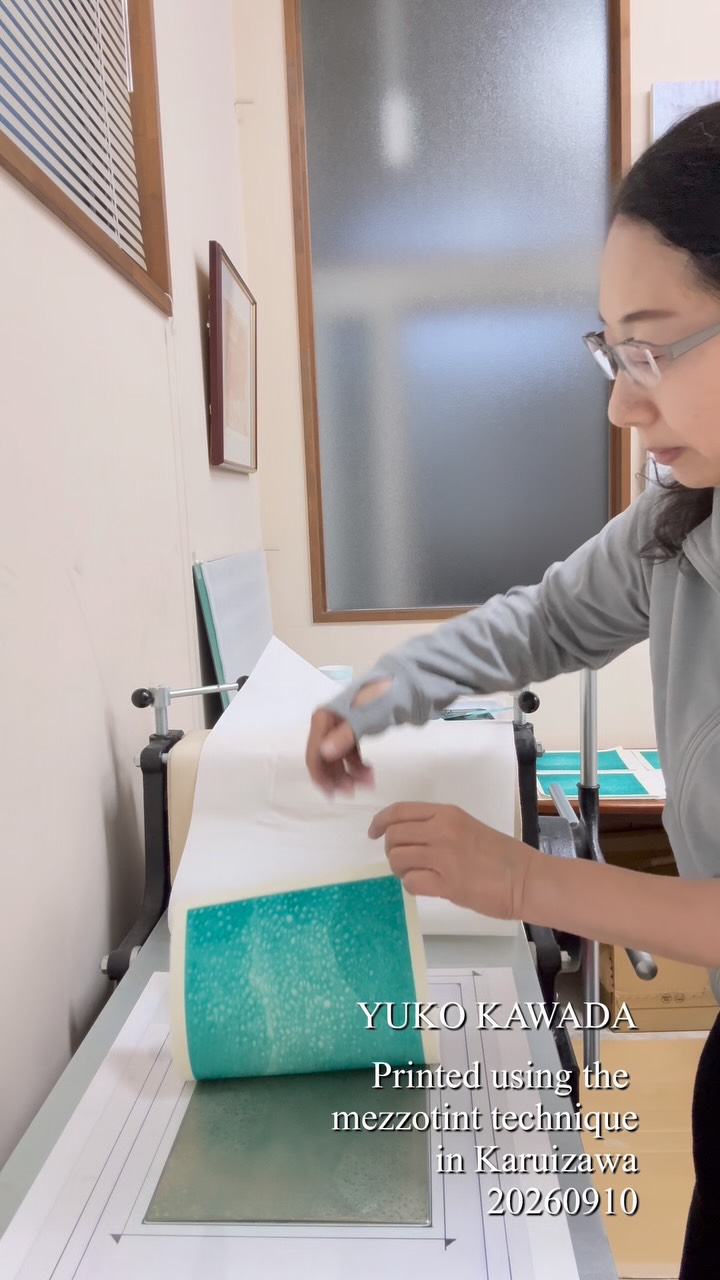

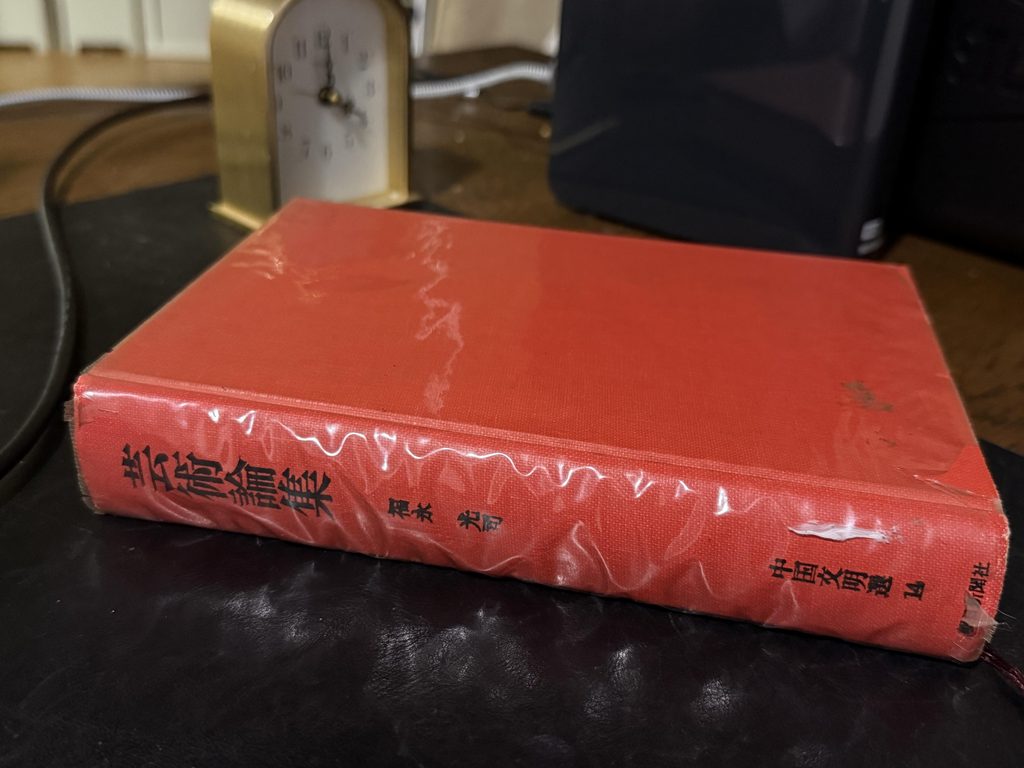
軽井沢のアトリエの書棚から、一冊の古い本を取り出した。 福永光司著『中国文明選14 芸術論集』(朝日新聞社)。紙の端はすっかり焼け、背表紙にも年月の跡が刻まれている。大学院で『禅の創造性』という修士論文を書いていた頃、夢中になって線を引きながら読んだ一冊だ。もう手放してしまったかもしれないと思っていたその本は、30年以上の歳月を経て、今も私の右手の脇に静かに置かれている。
なぜ、この古い画論集を再び手に取ったのか。それは、1960年代以降の現代美術を問い直すなかで出会ったアメリカの美術批評家、マイケル・フリードの思想と、この東洋の古典画論が、驚くほど同じ場所を指し示していることに気づいたからである。
「見せること」の拒絶と、無心の境地
フリードは1967年の有名な論文『芸術と客体性』で、当時のミニマリズムを「演劇的(テアトリー)」と厳しく批判した。作品が自律した世界を持たず、鑑賞者の視線や周囲の空間に依存して「見てくれ」と振る舞うことを、彼は芸術の堕落だと断じたのだ。 その後、フリードが18世紀のフランス絵画(シャルダンやディドロの批評)の研究を経て辿り着いた核心が、「没入(Absorption)」という概念だった。絵の中の人物、あるいは画家自身が目の前の行為に完全に没頭し、「誰かに見られていること」を忘却したとき初めて、作品から観客に媚びるいやらしさ(演劇性)が消え、画面の奥に自律した空間が立ち上がるというのである。
この話に触れたとき、私はまるで知らない人の話のようには思えなかった。 私の手元にある福永氏の『芸術論集』に収められた中国古典の画論にも、まさに同じことが書かれているからだ。かつての画論では、絵画の境地には段階があると説かれた。技術的に優れた「能品」、造化の妙を捉えた「妙品」、そしてそれらを乗り越え、画家が「私(自我)」を無にして対象や筆の動きと完全に一体化した無意識の域にこそ、最高位の「逸品(いっぴん)」が開かれる――。日本の狩野派などの絵師たちも、この教えを奥義として受け継いできた。
東西の文化圏も時代もまったく異なるにもかかわらず、「人間が『私』を滅して行為そのものに没入したとき、単なる物質(絵具や墨)を超えて作品に真の生命が宿る」という真理は、驚くほど一致している。
波打ち際の桜貝を、色褪せさせないために
若い頃、私はそうした境地がどのようなものかを自分の身をもって経験したいと思い、画家の道へと引き込まれていった。
しかし、何十年も絵を描き続けるなかで痛感するのは、「純粋な没入を保ち続けることの難しさ」である。振り返れば、まだ誰にも評価されていなかった初期の頃が一番純粋に没入できていたように思う。周囲の視線や評価、あるいは「どう見られるか」という自意識が入り込んだ瞬間、絵の純度は驚くほど簡単に揺らいでしまう。
私が心を揺さぶられるのは、いつも「どうしても描かずにはいられなくて描いてしまった」無名の表現だ。その存在の美しさは、まるで浜辺の波打ち際に打ち上げられた桜貝に似ている。波に洗われている間は、濡れてキラキラとこの上なく優しい彩りを放っているのに、その貝殻を拾ってポケットに入れ、家に持ち帰って見てみると、乾いてすっかり色褪せてしまう。
2019年以降、あえて個展という場から距離を置き、アトリエの静寂の中で自分の制作のペースを守り続けてきたのは、この「桜貝の輝き」を外部の騒がしさの中で乾かしてしまいたくなかったからかもしれない。
「図太い生命力」とともに、再び層の奥へ
ただ、いつまでも初期の無垢さのままではいられないことも知っている。絵の純度を保つことと、一人の人間としてこの現実世界で豊かに生き抜くことは、常に引き裂かれるような矛盾を孕んでいる。
けれど、フリードの批判が、皮肉にも時代を超えて現代アートの逆説的な生命力を照らし出したように、絵画という営みには、純粋さだけでは終わらない「図太い底力」があるはずだ。
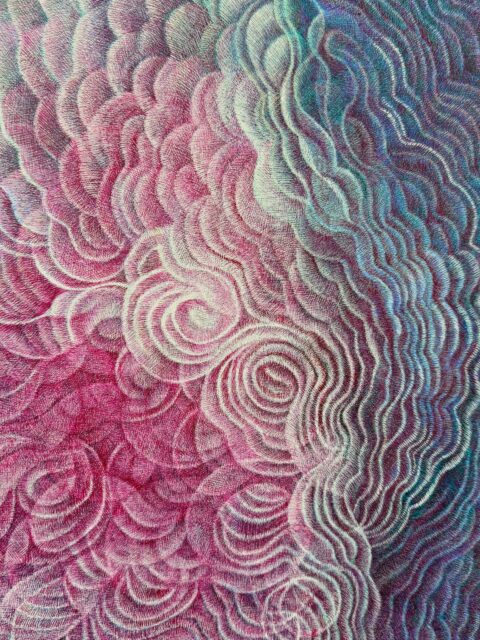
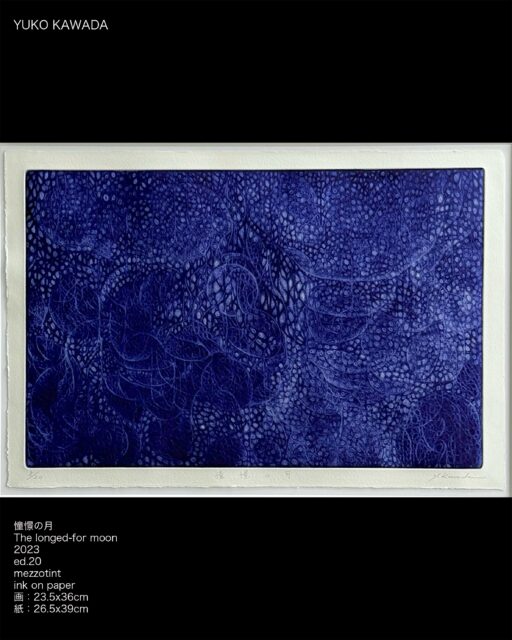
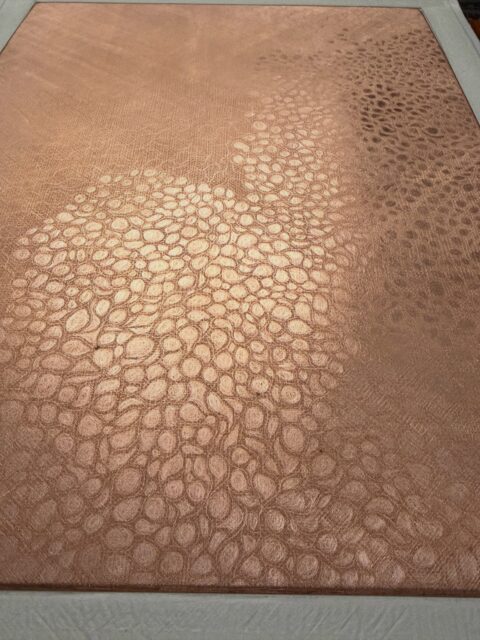
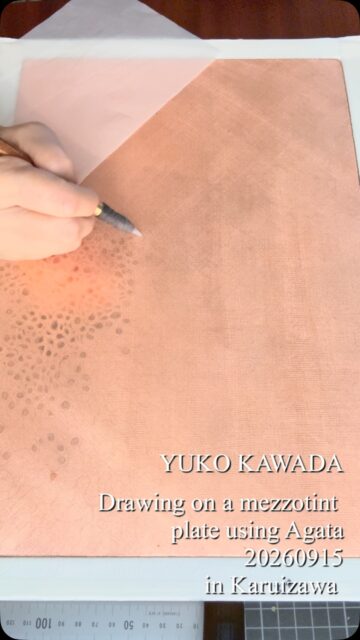
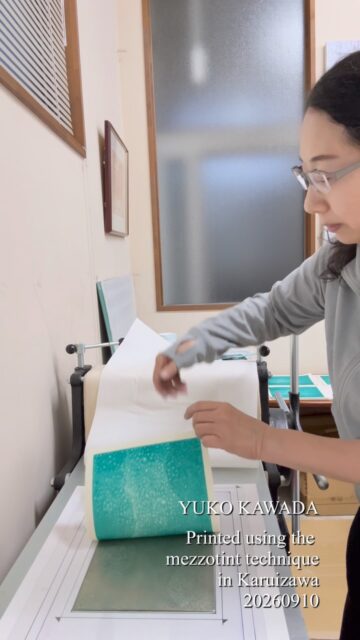
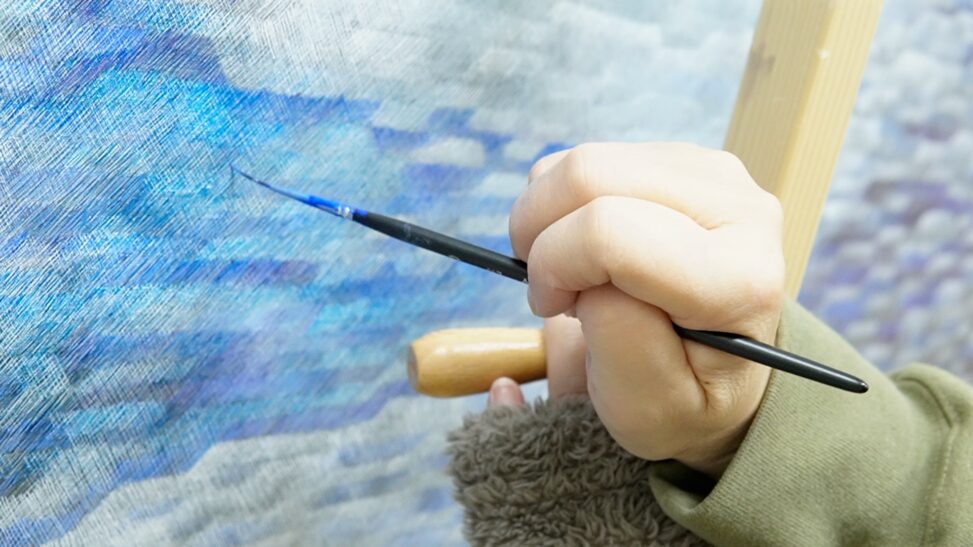
30年前、頭で理解しようとしていた『芸術論集』の言葉は今、何十層もの透明なアクリル層を重ね、極細の面相筆で無数の線を刻み、あるいは黒を使わずウルトラマリンの闇を摺り出す私自身の手の記憶と重なり合っている。
純粋な季節を過ぎたからこそ持てる、成熟した画家の「図太さ」をもって、もう一度、あの波打ち際の光へと手を伸ばしてみたい。右手の脇にある古い一冊が、静かにそう背中を押してくれている。
【Studio Note #03】Anthology of Chinese Art Theory on My Bookshelf and Michael Fried’s “Absorption” — The Roots of Painting Resonating Across Thirty Years
From the bookshelf of my studio in Karuizawa, I took down an old book: Chinese Civilization Selection 14: Anthology of Art Theory (Geijutsu Ronshu) by Mitsuji Fukunaga. The edges of its pages have yellowed with age, and the spine bears the quiet marks of time. It is a volume I read avidly, underlining passage after passage, when I was writing my master’s thesis titled The Creativity of Zen in graduate school. Though I had wondered if I might have parted with it long ago, the book still rests quietly beside my right hand more than thirty years later.
Why did I pick up this old treatise on painting again? Because, while re-examining post-1960s contemporary art, I realized that the philosophy of the American art critic Michael Fried and these classical Eastern art theories point to the exact same truth.
The Rejection of “Showing Off” and the State of No-Mind (Mushin)
In his famous 1967 essay Art and Objecthood, Fried harshly criticized Minimalism as “theatrical.” He argued that when a work lacks an autonomous world of its own and behaves as though asking to be looked at—depending on the viewer’s gaze and surrounding space—it falls into artistic decline. Later, through his studies of 18th-century French painting (such as Chardin and Diderot’s art criticism), Fried arrived at the core concept of “Absorption.” Only when the figures within a painting—or the painter themselves—are so completely absorbed in the act before them that they forget they are being watched does the vulgarity of performing for an audience (theatricality) vanish, allowing an autonomous space to rise from within the canvas.
When I encountered this idea, it did not feel like the words of a stranger. The classical Chinese art treatises compiled in Fukunaga’s Anthology of Art Theory say the very same thing. In those ancient texts, painting is described as having distinct levels of attainment: Nōhin (technical mastery), Myōhin (capturing the subtle wonders of creation), and beyond both, the highest realm of Ippin (the untrammeled or transcendent class)—which opens only when the painter empties the self (ego) and enters an unconscious unity with the subject and the movement of the brush. Traditional Japanese painters, including those of the Kano school, inherited this teaching as their highest secret.
Despite the vast distance in culture and era, the truth remains remarkably consistent: true life inhabits a work of art beyond mere physical matter (pigment or ink) only when the artist dissolves the “self” into pure absorption in the act itself.
Keeping the Cherry-Blossom Shell Wet by the Shore
In my youth, I was drawn to the path of a painter because I wanted to experience that state of transcendence firsthand.
Yet, after decades of painting, what I feel most acutely is how difficult it is to sustain pure absorption. Looking back, I believe I was able to immerse myself most purely in my earliest days, before anyone recognized my work. The moment outside gazes, evaluations, or self-consciousness about “how the work will be seen” creep in, the purity of a painting wavers with startling ease.
What always moves me most are anonymous works created simply because the maker could not help but paint. Their beauty is like a delicate cherry-blossom shell (sakuragai) washed up on the shoreline. While bathed by the waves, it glistens with an indescribably tender, luminous color; yet if you pick it up, put it in your pocket, and look at it at home, it dries out and loses all its radiance.
Stepping back from solo exhibitions since 2019 and protecting my own pace of creation within the stillness of my studio was, perhaps, my way of keeping that “radiance of the shell” from drying out in the noise of the outside world.
Returning to the Depths of Layers with “Tenacious Vitality”
At the same time, I know we cannot remain forever in the innocence of youth. Preserving the purity of painting while living richly as a human being in this real world always carries an agonizing contradiction.
However, just as Fried’s critique ironically illuminated the paradoxical vitality of contemporary art across the decades, the act of painting possesses a “tenacious resilience” that does not end with mere innocence.
The words of Anthology of Art Theory, which thirty years ago I tried to grasp with my intellect, now overlap with the memory of my own hands—layering dozens of translucent acrylic glazes, inscribing countless lines with an ultra-fine brush, or burnishing deep darkness out of ultramarine without using black ink.
With the seasoned resilience of a painter who has passed beyond the season of pure innocence, I want to reach out once more toward that light by the water’s edge. The old volume resting beside my right hand quietly encourages me to do so.
コメントを残す