




ここ数年、日々の制作の合間にテクノロジーの急速な進化を目の当たりにしながら、私は「これからの時代におけるアートの役割」について静かに考えを巡らせています。
かつて芸術は、限られた才能と恵まれた環境を持つ人々だけに許された特権的な領域でした。しかし、AIや自動化技術が社会のあらゆる領域に浸透し、人間が過酷な労働や効率化のプレッシャーから少しずつ解放されていく未来を想像したとき、そこには全く異なる風景が立ち現れます。
これから到来する時代において、人々は「クリエイティブな時間」を持つことで、自らが人間として生きていることを味わい、実感するようになるのではないでしょうか。生活の糧を得るための労働ではなく、純粋に手を動かし、何かを生み出す時間そのものが、人間の尊厳や生の喜びと直結する時代です。
そのような転換期において、アートは一部の作家だけのものではなく、社会全体へと広く開かれたジャンルへと変貌していくことでしょう。そしてそのとき、私が長年探求してきた「システム・アート」の思想に、かつてないほど強い光が当たるはずだと予感しています。
「楽譜」としてのシステム・アート
すべての人が、自分の内面からゼロベースで独自の表現を立ち上げるわけではありません。来るべき時代には、自分自身の明確な表現を持つ人と同時に、「音楽家が楽譜を演奏し、大工が精巧な設計図から建築を立ち上げるように、他者が用意したルールや構造をなぞることで深い創造の喜びを味わう人」が数多く現れるはずです。
1960年代後半、ソル・ルウィットをはじめとする作家たちが切り拓いたシステム・アートやコンセプチュアル・アートは、「作品の本質は物質としての完成品ではなく、それを生み出すルール(指示書)にある」と定義しました。
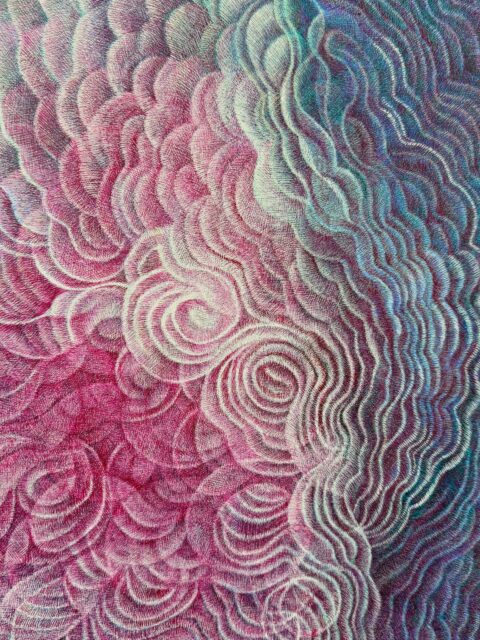
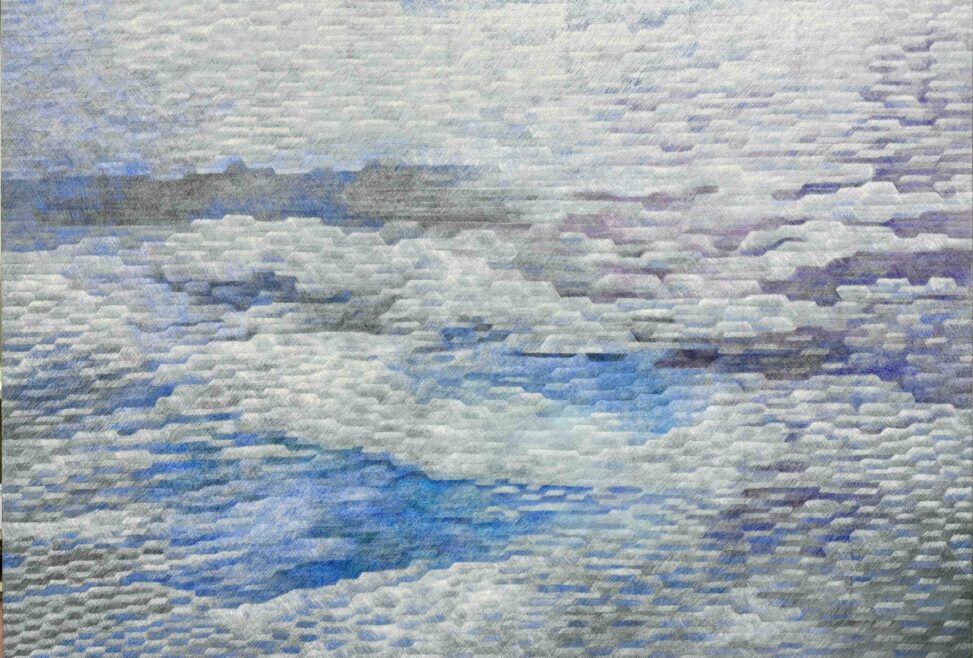
私が1995年から続けてきた、幾重もの絵具の層に金属の刃で線刻(スクラッチ)を施し、極細の筆で無数の平行線(ハッチング)を反復する手法も、あるいは近年取り組んでいるp5.jsを用いたプログラミングによるジェネラティブ・アートも、根底には同じ「構造と反復のルール」が流れています。
規則的な線の集積やアルゴリズムの設計図は、他者が自身の身体と時間を使って追体験し、その人なりの揺らぎをもって「演奏」するための開かれた楽譜になり得ます。自己表現という高い壁に阻まれていた人々にとって、システム・アートという楽譜は、深い没入と創造の歓びへと誘う確かな扉となるでしょう。
時間の解放がもたらす「大作の時代」と価値の揺らぎ
AIが技術的なハードルを取り払い、制作のあらゆる工程を補助してくれるようになると、人々はこれまでとは比較にならないほどたっぷりと時間を使ってアートに取り組むようになります。
そのとき、私自身の作品の価値もまた、少し揺らぐことになるだろうと冷静に見つめています。なぜなら、時間と技術に恵まれた未来の表現者たちが、私のこれまでの作品以上に膨大な時間を費やし、圧倒的な密度を持った大作を次々と生み出していく可能性が大いにあるからです。
時間と労力の集積によって支えられてきた一つの基準が相対化されるという意味では、それは「一つの時代の終焉」と呼べるかもしれません。しかし同時に、それはアートがようやく一部の愛好家の嗜好品を超えて、社会全体の営みとして重要視される「新しい時代の始まり」でもあります。自分の立ち位置が揺らぐことへの寂しさよりも、芸術が本来持つ力が社会に広く解き放たれていくことへの静かな期待が、今の私にはあります。
不自由な時代に人生を捧げたことの一回性
一方で、この未来の風景を思い描くとき、私自身のこれまでの歩みに対しても、ある種の明確な輪郭が浮かび上がってきます。
それは、私が人生のすべてをアートに捧げてきたような生き方は、これからの時間に恵まれた時代においては、もう二度とその意味の重さを具現化したり、体感したりすることはないだろう、ということです。
経済的な制約や時間の有限性、そして社会の中で現代美術がまだ周縁に置かれていた「不自由な時代」にあって、一切の妥協を排し、ただ画面と向き合い続けること。限られた命の時間を削りながら、なぜ描くのかという問いと格闘し、一本の線、一層の絵具を積み重ねてきた日々。
誰もが自由に時間を使える豊かな時代が来たとき、かつての「不自由さの中で純度を極めざるを得なかった表現者」の生き方は、もはや再現不可能なものとなります。時間を持て余して作られた作品と、不自由な現実の中で「それでも描かずにはいられなかった必然性」から結晶化した作品とでは、画面の奥底に宿る切実さと密度が根本的に異なります。
不自由な時代であったからこそ、これほどまでに純粋で贅沢な境遇を謳歌できたことは、私にとって何物にも代えがたい人生を生きた証そのものです。
評価のタイムラグを超えて、今を刻む
時代の構造そのものを先取りし、その転換点に身を置いて生きた表現者の歩みが、同時代の社会からその通りの意味で評価されることは稀です。私のこの生き方や作品の真価が、表の世界から正しく読み解かれ、評価されるのは、きっとずっと先のことになるでしょう。
それでよいのだと思います。
軽井沢の静かなアトリエで、今日も私は下地を整え、線を刻み、同時にコンピュータの画面上で数式と対話しながら線のアルゴリズムを紡いでいます。今ここで手を動かし、思考を言葉やコードとして残し続けることが、やがて到来する新しい時代において、誰かが「演奏」するための楽譜となり、時代を越えて受け継がれる文化資産の礎となることを願いながら。
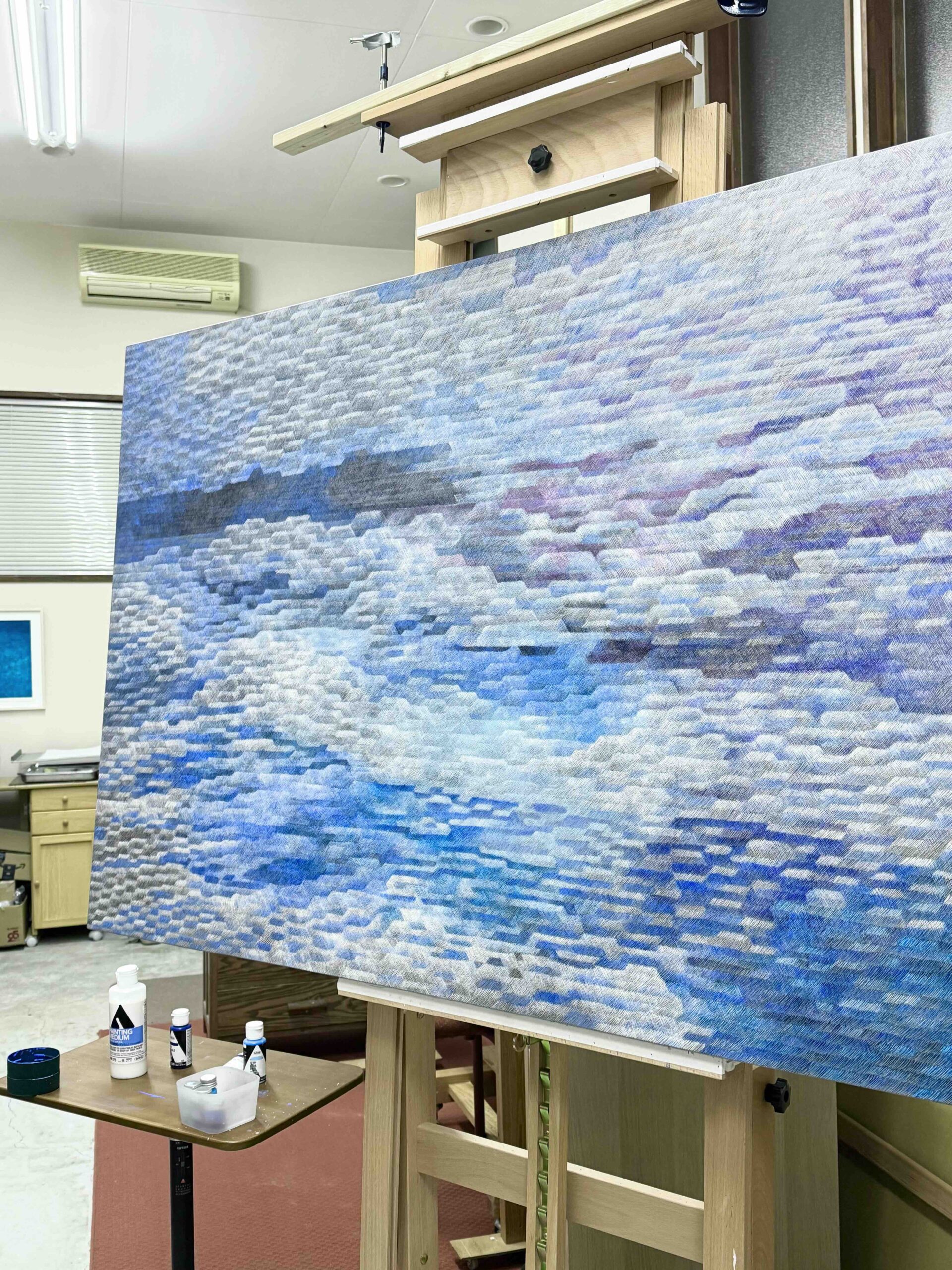
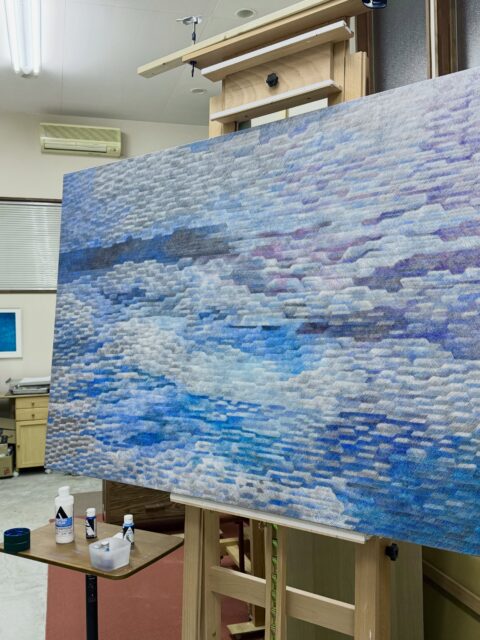
Work in progress on an easel at the studio in Karuizawa (F60 size)
Studio Note #04: Systemic Art as a Musical Score — The Sense of Being Alive and the Transformation of Art in the AI Era
Over the past few years, while witnessing the rapid evolution of technology in the intervals between my daily studio work, I have been quietly reflecting on the role of art in the era to come.
Historically, art was a privileged domain reserved only for those endowed with rare talent and fortunate circumstances. Yet, when I imagine a future in which AI and automation permeate every corner of society, gradually liberating human beings from grueling labor and the relentless pressure for efficiency, an entirely different landscape comes into view.
In the age that awaits us, people will come to savor and truly feel what it means to be alive as human beings by dedicating time to creative pursuits. It will be an era where the act of working with one’s hands and bringing something into existence—not as labor to earn a living, but for its own sake—becomes directly linked to human dignity and the joy of living.
At such a turning point, art will no longer belong solely to a select few artists; it will transform into an open genre accessible to society as a whole. And when that happens, I sense that the philosophy of “Systemic Art,” which I have explored for many years, will be illuminated more brightly than ever before.
Systemic Art as a “Musical Score”
Not everyone builds an original mode of expression from zero out of their own inner world. Alongside those who possess a distinct personal voice, the coming era will surely give rise to many people who experience profound creative joy by tracing rules and structures prepared by others—much like a musician performing a musical score, or a carpenter raising a structure from an intricate architectural blueprint.
In the late 1960s, artists such as Sol LeWitt pioneered Systemic Art and Conceptual Art, defining the essence of an artwork not as the finished material object, but as the rule—the set of instructions—that generates it.
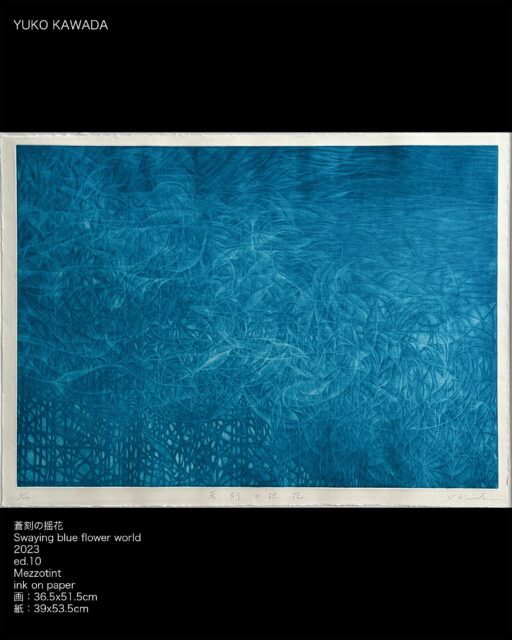
The technique I have practiced since 1995—incising lines (scratching) with a metal blade into multiple layers of paint and repeating countless parallel strokes (hatching) with an ultra-fine brush—as well as my recent generative art created through programming in p5.js, share this exact same foundation: a rule of structure and repetition.
An accumulation of regular lines or an algorithmic blueprint can serve as an open musical score—something others can re-experience through their own bodies and time, “performing” it with their own subtle fluctuations. For those who once felt barred by the high wall of self-expression, the score of Systemic Art will offer a tangible doorway into deep immersion and the joy of creation.
The “Age of Monumental Works” Brought by the Liberation of Time, and the Shifting of Value
As AI removes technical barriers and assists with every stage of production, people will begin devoting far more abundant time to art than ever before.
When that occurs, I calmly anticipate that the value of my own works will also experience a slight shift. Freed from time constraints and empowered by technology, future creators may well invest even greater hours than I have, producing monumental works of overwhelming density one after another.
Insofar as a standard long sustained by the accumulation of time and labor becomes relativized, this may indeed be called “the end of an era.” At the same time, however, it marks “the beginning of a new era” in which art finally transcends being a pastime for a handful of aficionados and takes its rightful place as a vital endeavor at the center of society. Rather than feeling a sense of loss over the shifting of my own standing, I hold a quiet anticipation for the liberation of art’s inherent power across the broader world.
The Irreplaceability of Dedicating a Life in an Unfree Era
At the same time, envisioning this future landscape brings the contours of my own journey into sharp relief.
A way of life like mine—dedicating one’s entire existence to art—will likely never again be embodied or experienced with the same weight in a future era blessed with abundant time.
To reject all compromise and simply face the canvas within an “unfree era”—a time bound by economic constraints, the finitude of hours, and a society in which contemporary art still stood on the margins. Days spent paring away the limited hours of a lifetime, wrestling with the question of why I paint, laying down one line and one layer of paint at a time.
When an affluent age arrives where anyone can freely command their time, the way of life of past creators who had no choice but to pursue purity amid constraint will become unrepeatable. There is a fundamental difference in the urgency and density embedded deep within a picture plane between a work created out of an excess of time and one crystallized out of the sheer necessity of having to paint despite an unfree reality.
Precisely because it was an unfree era, being able to revel in so pure and luxurious a vocation stands as the irreplaceable proof of the life I have lived.
Beyond the Time Lag of Recognition, Inscribing the Present
It is rare for the path of an artist who anticipates the very structure of an era and lives at its turning point to be recognized for what it truly is by contemporary society. The true worth of my way of life and my works will surely be deciphered and evaluated by the outside world far into the future.
And I am entirely at peace with that.
In my quiet studio in Karuizawa today, I prepare my grounds and incise my lines, while simultaneously conversing with mathematical formulas on a computer screen to weave algorithms of line. Continuing to move my hands and leave my thoughts behind as words and code here and now, I hope they will become a musical score for someone to “perform” in the new era to come, and a foundation for cultural assets that endure across time.
コメントを残す